
On this page
A steam-trap survey begins with a reliable list of equipment and a clear handover to the people responsible for testing. Gather the available asset records, identify missing information and agree what the survey report should contain before arranging access.
A survey can help a plant organize maintenance and investigate possible steam losses. It does not, by itself, establish the condition of every trap or guarantee a specific saving. The U.S. Department of Energy recommends a systematic inspection, testing and repair program with reporting; its 2012 tip sheet is a general reference, not a site-specific procedure.
Start with an asset register
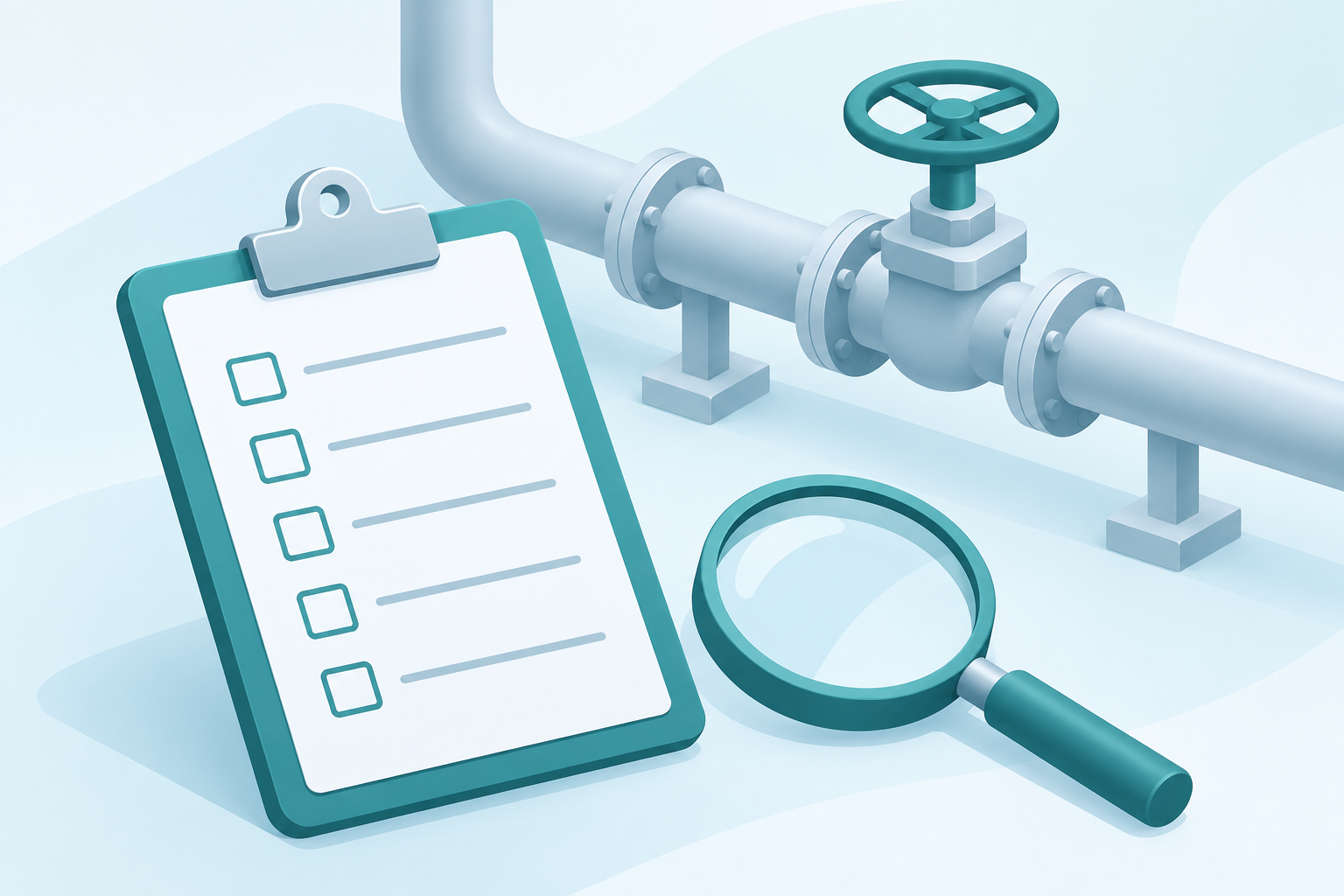
Use an existing register if one is available. Ask the site team to reconcile it with drawings and maintenance records, and mark uncertain entries rather than guessing. A practical record can include:
- A unique equipment identifier and location that the authorized team can find.
- The equipment served, trap type and manufacturer or model where known.
- Available design and operating information, recorded with its source and date.
- Access restrictions, relevant site hazards and the person who controls access.
- Previous survey dates, reported findings, work orders and confirmation of completed repairs.
A blank field is useful information: it tells the surveyor what must be verified. Do not copy a pressure or trap type from a similar-looking installation without confirmation.
Agree the survey scope before the visit
Decide which areas and assets are included, what operating conditions are relevant and how the team will handle inaccessible equipment. Ask the survey provider which methods are appropriate for each trap and how uncertain findings will be recorded. The DOE tip sheet describes several testing approaches; choosing and interpreting them requires the actual equipment and conditions.
Safety boundary: Steam systems can contain high pressure and hot surfaces. Follow the site’s procedures and involve authorized, qualified personnel. This checklist does not instruct readers to touch equipment, open valves, isolate a line or perform a test.
See it in 3D
What should the report show?
- Coverage: The assets checked, not checked and inaccessible, with reasons and dates.
- Evidence: The method, relevant operating context, observation and confidence for each finding. Distinguish an observation from a confirmed fault.
- Actions: Recommended follow-up, priority, responsible owner and required review or approval.
- Completion: Work-order reference, date of action and a record of any verification performed after repair.
- Estimates: Any estimated loss or saving should state its assumptions, measurement basis and uncertainty. Record actual outcomes separately when they are measured.
Illustrative example
This scenario is constructed; it is not a client project or a test performed by Jignesh. A register lists a trap serving a heat exchanger, but the model and last inspection date are missing. Rather than entering a guessed model, the planner marks both fields unknown and asks the site owner to arrange safe access and provide available records. The survey report can then document what was checked and what remains unresolved.
Questions to ask a survey provider
- What information should we supply before your visit, and how will you identify each asset?
- What methods will you use, and how will operating conditions affect interpretation?
- How will you report inaccessible or inconclusive items?
- How will you separate observed findings, recommendations and estimated savings?
- What follow-up or post-repair verification is included in the proposal?
When comparing survey proposals, use EngiTech’s quotation comparison guide to document scope and exclusions. Its equipment-specific fields should be adapted for a service enquiry.
Planning a separate heat-loss and surface-condition assessment? Use the steam pipe insulation survey checklist alongside this trap survey.
Source and further reading
U.S. Department of Energy, Inspect and Repair Steam Traps, Steam Tip Sheet #1, January 2012; accessed 3 November 2026. The source is U.S. general guidance; site requirements, current manufacturer instructions and local rules must be assessed for the actual installation.
Free tools for this topic: Steam consumption calculator · all free engineering tools
Sources and further reading
For standards, data and independent guidance on this topic, see The Engineering ToolBox (engineering reference data and calculators), Bureau of Energy Efficiency (energy audit and efficiency programmes in India) and Bureau of Indian Standards (Indian standards catalogue). Always check the current edition and your site conditions before applying any figure.
Free tool for this topic
Heat Exchanger LMTD & Area CalculatorHeat duty, log mean temperature difference and required heat-transfer area for counter-flow and parallel-flow exchangers.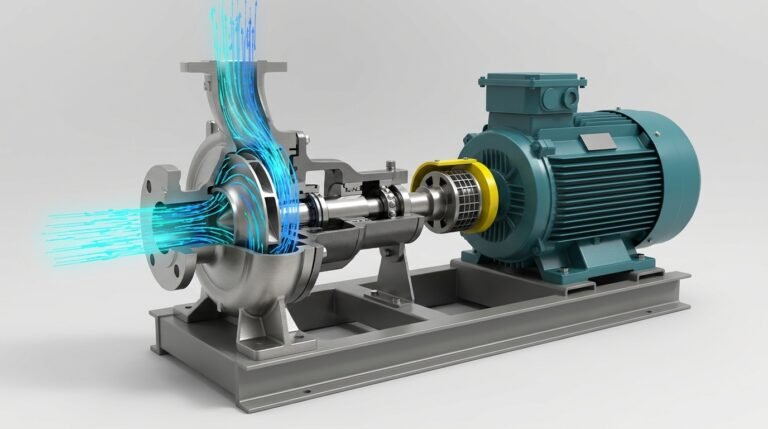 Pumps, Valves and PipingCentrifugal Pump Total Dynamic Head Calculation: Formula, System Curves & Worked Example
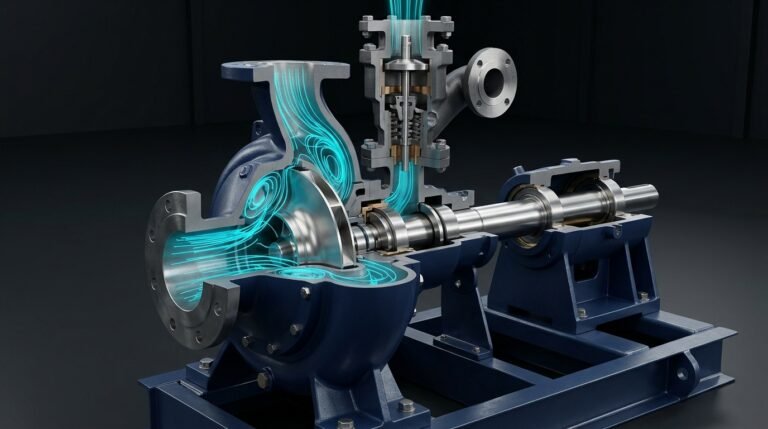 Pumps, Valves and PipingPressure Relief Valve (PRV) Sizing: API 520 & API 526 Calculations
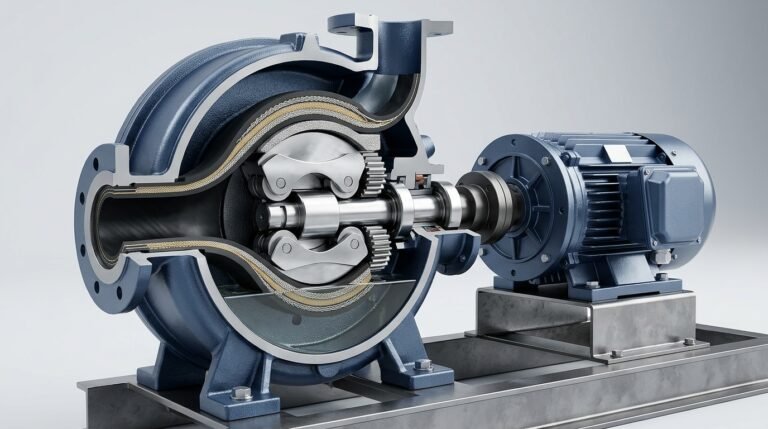 Pumps, Valves and PipingPeristaltic Hose Pump Sizing: Tube Fatigue, Flow Rate & Pressure Guide
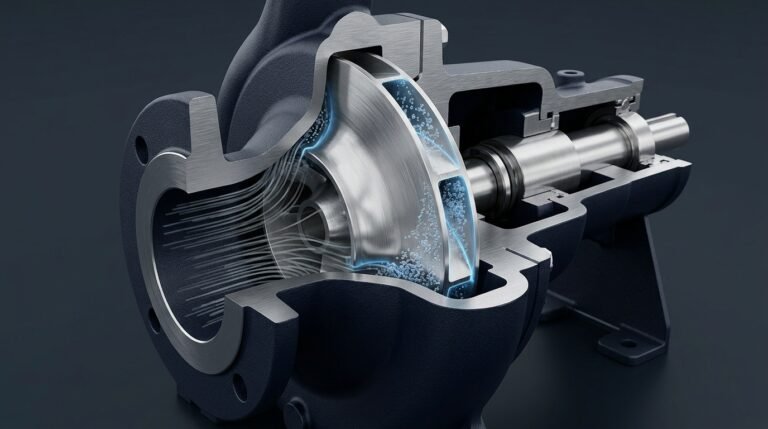 Pumps, Valves and PipingControl Valve Cavitation & Flashing: Choked Flow Limits & Anti-Cavitation Trim
 Pumps, Valves and PipingPipe Fitting Equivalent Length & Resistance Coefficient K-Factor Calculation
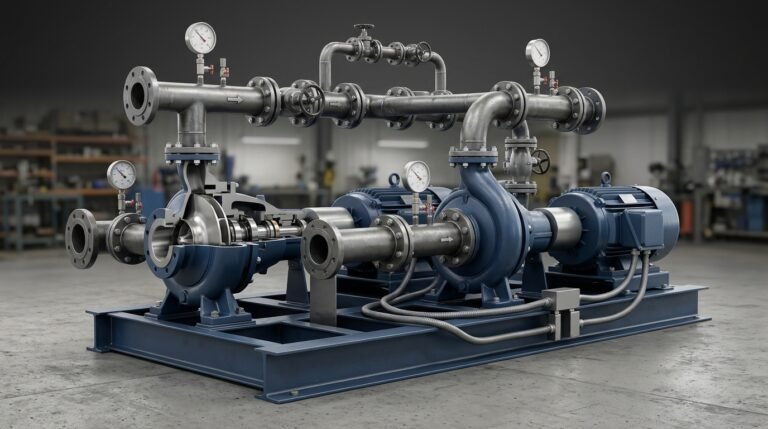 Pumps, Valves and PipingDarcy-Weisbach Pressure Drop Calculation: Pipe Flow & Friction Factor Math