

On this page
- A practical quotation-comparison workflow
- Agree the duty
- Match the boundaries
- Resolve the differences
- Compare the evidence
- Equipment quotation comparison template
- Start with a common requirement sheet
- Separate included, excluded and unknown
- Illustrative example: two prices, different scopes
- Keep purchase price separate from operating assumptions
- A short supplier clarification request
- Questions before closing the comparison
- Reference and scope
- Sources and further reading
- More on Machinery and Equipment
Compare industrial equipment quotations against the same duty, supply boundary and acceptance method before comparing their totals. Record what each supplier includes, what the buyer must provide and what remains unanswered. A quotation with an unresolved requirement belongs in a clarification list; a blank cell does not mean an item is included.
This guide provides an editorial worksheet for procurement teams, plant owners and engineers organizing supplier offers. It helps prepare a discussion, rather than approving an equipment design, a supplier or a purchase. Use your responsible engineering and commercial reviewers for those decisions.
A practical quotation-comparison workflow
01 / DEFINE
Agree the duty
Use one requirement sheet and revision for all suppliers. Identify measured inputs, targets and unknowns.
02 / ALIGN
Match the boundaries
Separate the quoted machine, accessories, site work and services. Assign responsibility for each interface.
03 / CLARIFY
Resolve the differences
Ask for written answers to deviations and missing items. Preserve the supplier’s exact conditions.
04 / REVIEW
Compare the evidence
Keep technical suitability, commercial scope and remaining uncertainty visible in the decision record.
Equipment quotation comparison template
Copy these headings into your comparison sheet. Add one column for each offer and a separate clarification column. On a small screen, scroll the table sideways.
| Comparison area | Record from each offer | Question when unclear |
|---|---|---|
| Requirement basis | RFQ revision, product or material, required output and stated conditions | Does this offer answer the same requirement sheet? |
| Machine and accessories | Exact model, included assemblies, options and exclusions | Which items are essential to the proposed duty but outside this price? |
| Site interfaces | Utilities, controls, upstream/downstream connections and site work responsibilities | What must the buyer arrange before installation or commissioning? |
| Performance evidence | Datasheets, assumptions, proposed trials and acceptance method | How will the stated output and product condition be demonstrated? |
| Delivery and services | Quoted delivery basis, installation, commissioning and training scope | What starts the delivery period, and which services are separately quoted? |
| Spares and support | Included spares, recommended parts, documentation and support arrangements | What support is available, under which conditions, and at what stated cost? |
| Commercial record | Currency, quotation date, validity, stated charges, exclusions and payment proposal | Which amounts or terms still need clarification by the buyer’s commercial team? |
Start with a common requirement sheet
For each offer, record the requirement document and revision it answers. Keep an updated sheet alongside the original quotation; do not silently rewrite a supplier’s offer to make it look comparable.
For example, ask whether an output statement concerns feed, finished product or another defined measure. Record the units and the supplier’s stated product and operating conditions. If two offers use different bases, ask each supplier to restate its proposal against the common brief. The worksheet should expose the difference without attempting to calculate an unsupported conversion.
Prepare the inputs with the Equipment Selection Desk. It organizes your requirements into a discussion brief; it does not select or size a machine.
Separate included, excluded and unknown
Use plain status labels in the sheet: included as stated, excluded, optional or clarification required. Add the quotation page or written response beside the status. Where the supplier’s wording is conditional, preserve that condition.
Keep the question specific. Instead of “Is everything included?”, ask which panel, connection, accessory, documentation package or service is included and where the supplier’s responsibility ends. Assign an owner and a response date to unresolved questions. A verbal answer can start the discussion; ask for the final clarification in writing before relying on it in the comparison.
Illustrative example: two prices, different scopes
This is a constructed example, not a customer project, supplier assessment or price benchmark.
Imagine two offers for the same processing line. Offer A lists a machine and control panel, while commissioning is excluded. Offer B lists a machine, control panel and commissioning, but does not describe the required site connections.
The next step is a clarification table, rather than an immediate winner. Ask A for its commissioning scope and a separate quotation if available. Ask B to define the site connections and who supplies them. Ask both to identify the assumptions behind their proposed acceptance test. Record any remaining difference openly; do not insert an estimated allowance and present it as a supplier commitment.
Keep purchase price separate from operating assumptions
The U.S. Department of Energy, Hydraulic Institute and Europump’s Pump Life Cycle Costs executive summary includes purchase, installation, energy, operation, maintenance, downtime and end-of-life costs in its analysis. It also explains that comparisons depend on the available data and a comparable operating basis. This is a historical pumping-system methodology reference, not a current price source or a cost ratio for every industrial machine.
For your comparison, keep quoted amounts apart from buyer estimates. If you assess operating costs, document the period, duty, utility assumptions and evidence used by your responsible reviewers. Mark missing data as unknown. Do not transfer a pump example’s cost shares or savings to a dryer, compressor or packaging line.
A short supplier clarification request
Please confirm the requirement-sheet revision used for your offer, list deviations and exclusions, define the equipment and site-service boundaries, and explain the proposed performance acceptance method. Please identify optional items separately and return an updated offer or a numbered clarification response that we can reference in our comparison.
Adapt that request to the actual open points. Keep the original offer, each clarification and the final comparison together so the reviewers can see what changed.
Questions before closing the comparison
- Are the compared offers based on the same requirement revision and duty?
- Are exclusions, optional items and buyer responsibilities visible?
- Is the evidence behind performance statements identified?
- Are quoted amounts separated from internal estimates?
- Are unresolved items assigned to someone who can resolve them?
- Have the responsible technical and commercial reviewers assessed the final offer?
Use equipment-specific guides in the industrial knowledge library for context, then return to the actual supplier documents. A completed worksheet supports a review; it is not itself evidence that the equipment is suitable.
Reference and scope
Pump Life Cycle Costs: A Guide to LCC Analysis for Pumping Systems — Executive Summary, Hydraulic Institute, Europump and U.S. Department of Energy, January 2001, especially printed pages 2–4. Accessed 3 November 2026. Used only for the general cost-category and like-for-like comparison discussion. The worksheet and workflow are EngiTech editorial suggestions; no current equipment prices, standard editions, cost percentages or savings claims are supplied.
Free tools for this topic: Free RFQ and datasheet builder · Equipment selection desk · all free engineering tools
Sources and further reading
For standards, data and independent guidance on this topic, see NFPA (combustible dust and fire safety standards), US Chemical Safety Board (dust explosion investigation reports) and IECEx (hazardous area equipment certification). Always check the current edition and your site conditions before applying any figure.
Free tool for this topic
Bag Filter (Dust Collector) Sizing CalculatorFilter cloth area, number of bags and can velocity check for pulse-jet and reverse-air bag filters from gas flow and air-to-cloth ratio. Machinery and EquipmentThe Future of Welding: Innovations in Welding Machines
 Machinery and EquipmentPaper Bag Machine Cost Analysis: CAPEX, Roll-Fed vs Sheet-Fed & ROI Sizing
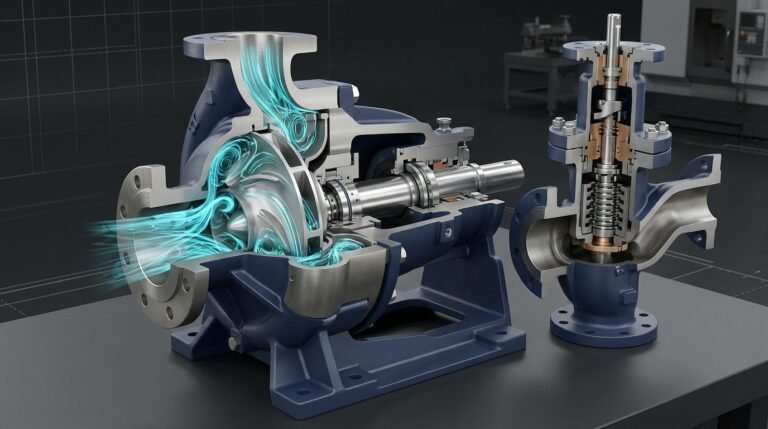 Machinery and EquipmentTwo-Phase Gas-Liquid Flow Pressure Drop: Lockhart-Martinelli Method
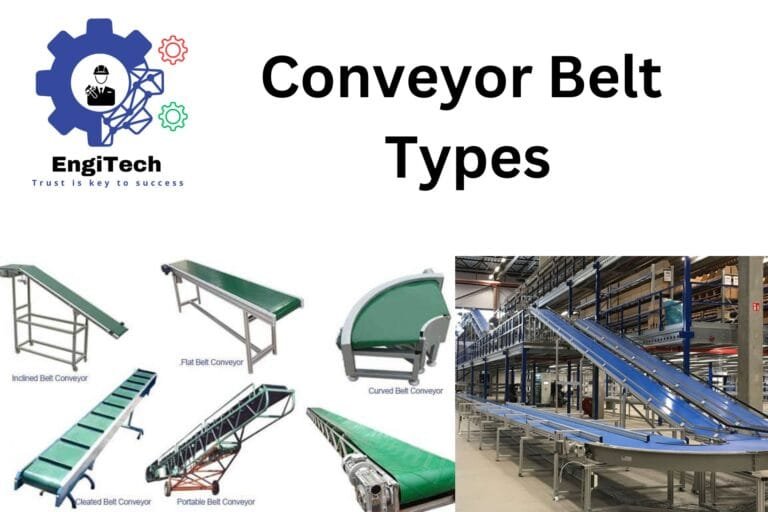 Machinery and EquipmentConveyor Belt Types: Construction, Materials and Selection
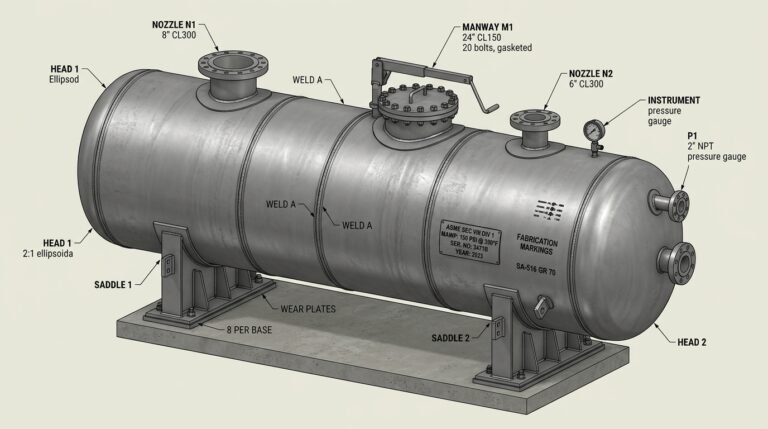 Machinery and EquipmentASME Section VIII Div 1: Pressure Vessel Wall Thickness Math, Heads & Joint Efficiency
 Machinery and EquipmentMold Making Machines: A Comprehensive Guide for Knowledge Seekers, Students, and Professionals