
On this page
- Where steam energy goes
- Step 1: Combustion in the boiler
- Step 2: Condensate return, with a worked example
- Step 3: Steam traps
- Step 4: Insulation
- Step 5: Leaks and pressure
- Step 6: Measure
- What I notice in plants
- A six-point walk-through checklist
- Go deeper: the full guide series
- Frequently asked questions
- How much can a steam trap leak cost?
- Is it safe to return all condensate?
- What is flash steam?
- What stack temperature is acceptable?
- Where should I start in a plant that has done nothing yet?
- Sources and further reading
- More on Boilers, Chillers and Thermal
Short answer: most steam systems can cut fuel use by 10 to 20 per cent without new capital plant. The savings come from six places: better combustion in the boiler, returning more condensate, fixing steam traps, insulating bare pipe and valves, repairing leaks, and running the system at the lowest pressure the process really needs.
When I visit a factory and ask about their steam bill, the owner usually knows what fuel costs per month but not how much of that steam reaches the process. Walking the plant with the maintenance team tells the story faster than any report: a hissing trap, a bare flange, a condensate drain going to the gutter while the boiler house buys softened water. These are everyday things, and they add up.
Where steam energy goes
| Loss | Where to look | Typical sign |
|---|---|---|
| Stack loss | Boiler flue gas temperature, oxygen in flue gas | High stack temperature, soot, high O₂ |
| Blowdown | Continuous and bottom blowdown rates | Hot water going to drain with no heat recovery |
| Condensate not returned | Drains, open condensate tanks, process contamination | High make-up water use, steam plume at tank vents |
| Trap failures | Every trap on the system; see our steam trap survey checklist | Live steam at trap discharge, or cold waterlogged lines |
| Bare surfaces | Flanges, valves, tanks, pipes; see insulation survey priorities | Surfaces too hot to touch |
| Leaks | Flanges, glands, relief valves | Visible plumes, hissing, wet lagging |
| Over-pressure | Pressure set higher than process needs | Pressure reducing valves working hard, relief valves lifting |
Step 1: Combustion in the boiler
A boiler burns fuel with some excess air to make sure combustion is complete. Too little causes smoke and carbon monoxide. Too much carries heat up the stack. Measure oxygen in the flue gas and flue gas temperature, with a calibrated analyser. As a rough rule widely quoted by energy agencies, efficiency improves by about 1 per cent for each 15 per cent reduction in excess air, and by about 1 per cent for each 20 to 22 °C drop in stack temperature, provided combustion stays clean. Treat these as guides, and check the boiler maker’s data. Our boiler guide covers the types in more detail.
Feed water temperature matters too. Every 5 to 6 °C of extra feed water temperature saves about 1 per cent of fuel. Economisers and condensate return both help.
Step 2: Condensate return, with a worked example
Condensate is distilled water at high temperature. Throwing it away wastes the water, the treatment chemicals and the heat.
Example. A plant makes 5 tonnes of steam an hour. It returns 60 per cent as condensate at 90 °C. Make-up water arrives at 25 °C. Furnace oil has a net calorific value of about 40 MJ/kg and the boiler runs at 85 per cent efficiency.
- Condensate returned: 3 t/h = 3,000 kg/h
- Heat in returned condensate above make-up temperature: 3,000 × 4.19 × (90 − 25) = 817,000 kJ/h, about 817 MJ/h
- Fuel saved: 817 / (40 × 0.85) = about 24 kg of oil an hour
- Over 6,000 operating hours: about 144 tonnes of oil a year, plus the water and treatment chemicals not bought
Raising the return rate from 60 to 80 per cent saves roughly a third more. Insulate condensate lines and recover flash steam from high-pressure condensate where the process can use low-pressure steam.
Step 3: Steam traps
A steam trap holds steam in until it gives up its heat, and releases condensate and air. A trap that fails open blows live steam into the return system. A trap that fails closed floods the equipment with condensate and slows the process. A regular survey, done by ultrasonic detector, temperature or visual check, is among the highest-return tasks in a steam plant. Many plants that have never done a survey find that a large share of traps have failed. Use the right trap type for the job: thermostatic, thermodynamic, float or inverted bucket.
Step 4: Insulation
Bare valves and flanges are the usual blind spot because they are awkward to wrap. Removable insulation jackets solve that. Start with the biggest losses: large-diameter hot pipes, steam headers, and tanks. A bare surface at 150 °C loses heat many times faster than the same surface properly insulated, so the pay-back on lagging is generally short. Check the lagging after any maintenance work, because it is often not put back.
Step 5: Leaks and pressure
A small leak is expensive because the loss runs all day, every day. Repair leaks on a schedule, not when someone has time. Also ask whether the system pressure is higher than needed. Lower pressure means lower boiler stack temperature, lower radiation loss and lower leak rates, but only when the process equipment still gets the temperature it needs. Check with the process engineers before changing set points, and never raise a relief valve setting.
See it in 3D
Step 6: Measure
You can’t manage what you don’t meter. Fit a steam flow meter on the boiler outlet, a fuel meter, and a make-up water meter. The ratio of steam made to fuel burned is the single best indicator of system health. Record it weekly and watch the trend. The steam consumption calculator helps estimate what each process should use. Our reference tables include steam properties for quick checks.
What I notice in plants
- Steam is often treated as a utility with no owner. The boiler house, the process area and the maintenance team each assume someone else is watching it.
- The best results I have seen come when one named person is responsible for the steam ratio, and the number is posted on a board.
- Owners are often surprised how much fuel goes to heating make-up water. The condensate tank is a good place to start a walk-through.
- Quick wins build trust. Fix traps and insulation first, then take on bigger projects such as an economiser or heat recovery from blowdown.
A six-point walk-through checklist
- Read flue gas temperature and oxygen at the boiler.
- Check blowdown settings and whether heat is recovered.
- Look at the condensate tank: temperature, plume, return percentage.
- Survey traps, starting with the largest.
- Look for bare surfaces and wet lagging.
- Walk the lines for leaks, and note pressure settings.
Go deeper: the full guide series
Each guide below takes one part of the steam and heat system and puts numbers on it.
- Steam Trap Types and How to Choose One
- Condensate Recovery: Design Basics and Payback
- Flash Steam Recovery: Sizing a Flash Vessel
- Steam Pipe Sizing by Velocity and Pressure Drop
- What a Steam Leak Really Costs
- Boiler Efficiency Testing: Direct and Indirect Methods
- Boiler Blowdown: How Much and How to Recover the Heat
- Boiler Feed Water Treatment: DM Water, Deaeration and Chemicals
- Boiler Tube Failures: Common Causes and Prevention
- Economizers and Air Preheaters: Where They Pay Back
- Thermal Oil Heaters: Selection and Safety Points
- Heat Exchanger Fouling: How to Spot It and When to Clean
- Plate or Shell and Tube: A Decision Table
- Pipe Insulation Thickness: Economic Versus Minimum
- Steam Pressure Reducing Stations: Set-Up Mistakes
- Water Hammer in Steam Lines: Causes and Prevention
- Cooling Tower Basics: Range, Approach and Drift
- Chiller Selection: Air-Cooled or Water-Cooled
- Industrial Heat Pumps: Where They Pay
- Energy Audit of a Thermal Plant: A Step-by-Step List
Free tools for this topic: Steam consumption calculator · all free engineering tools
Frequently asked questions
How much can a steam trap leak cost?
A failed-open trap on a high-pressure line can waste a large amount of steam over a year. The loss depends on orifice size and pressure. Get a figure from a trap survey tool or the manufacturer’s loss table.
Is it safe to return all condensate?
Only if it is clean. Condensate that could be contaminated by process leaks should be monitored, for example by conductivity, and diverted if it fails.
What is flash steam?
When hot condensate drops to a lower pressure, part of it boils off as steam. That flash steam can be used for low-pressure heating instead of being vented.
What stack temperature is acceptable?
It depends on fuel and boiler type, and it must stay above the acid dew point for fuels containing sulphur. Follow the boiler manufacturer’s guidance.
Where should I start in a plant that has done nothing yet?
Start with traps, insulation and condensate return. They cost little, can be done in running plant, and pay back quickly.
General engineering information. Boilers and steam systems are covered by statutory safety rules, such as the Indian Boiler Regulations. Work only with qualified, certified people.
Sources and further reading
For standards, data and independent guidance on this topic, see US Department of Energy process heating resources (industrial heating and drying efficiency), The Engineering ToolBox (engineering reference data and calculators), Bureau of Energy Efficiency (energy audit and efficiency programmes in India) and Greenhouse Gas Protocol (the standard method for carbon accounting). Always check the current edition and your site conditions before applying any figure.
Free tool for this topic
Heat Exchanger LMTD & Area CalculatorHeat duty, log mean temperature difference and required heat-transfer area for counter-flow and parallel-flow exchangers. Boilers, Chillers and ThermalA Comprehensive Guide to Furnace Repair: Expert Insights and Practical Tips
 Boilers, Chillers and ThermalPlate Heat Exchangers: A Comprehensive Guide
 Boilers, Chillers and ThermalUltimate Guide to Plate and Frame Heat Exchangers: Maximize Efficiency and Performance
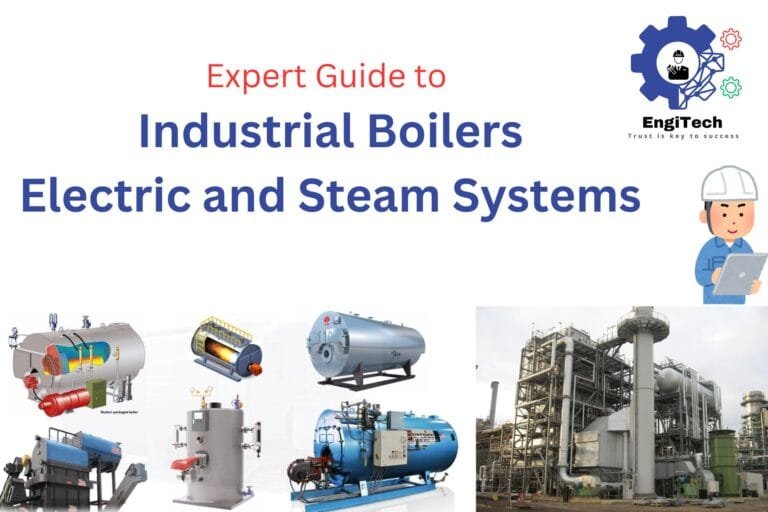 Boilers, Chillers and ThermalExpert Guide to Industrial Boilers: Electric and Steam Systems
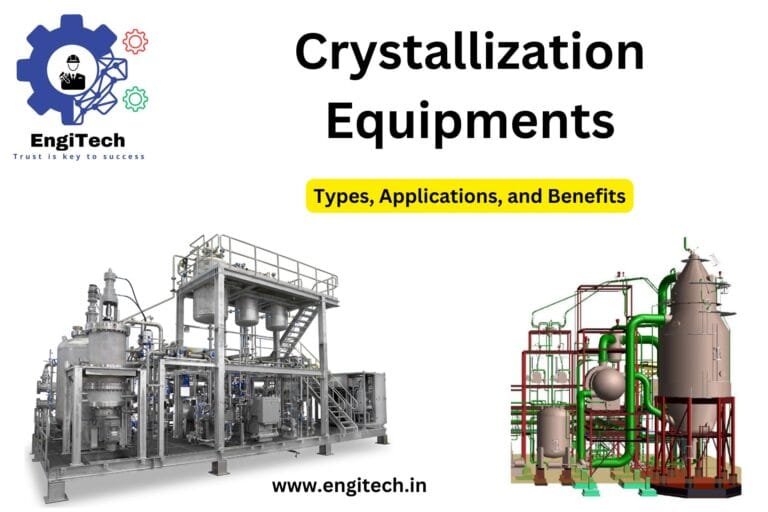 Boilers, Chillers and ThermalA Comprehensive Guide to Crystallization Equipment: Types, Applications, and Benefits
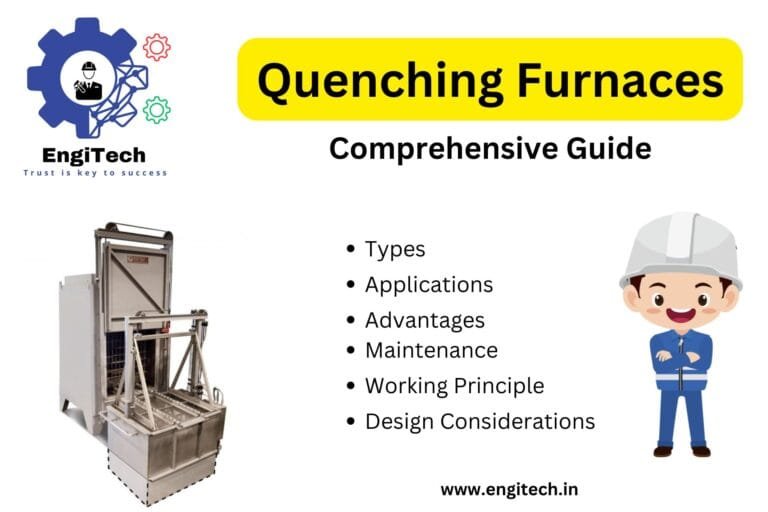 Boilers, Chillers and ThermalQuenching Furnaces: A Comprehensive Guide