
On this page
- The options
- Worked example: direct versus indirect firing
- Selecting by product
- Efficiency measures
- Fuel choice and safety
- What I see in plants
- Frequently asked questions
- Is direct-fired heating allowed for food drying?
- Why is indirect heating less efficient?
- Is electric heating a good idea?
- What is excess air?
- Can I use solar or waste heat?
- Sources and further reading
- Related guides
- More on Industrial Dryers
Short answer: A dryer needs hot air, and there are three main ways to make it: direct-fired burners that mix combustion gases with the drying air (cheapest and most efficient, but the product sees combustion products), indirect hot air generators or heat exchangers that keep the flue gas separate (cleaner, lower efficiency) and electric or steam/thermal oil heaters (clean, controllable, usually higher running cost). Choose by product sensitivity, fuel cost, temperature and air quality needs.
The heat source often gets chosen late, after the dryer, and then dominates the running cost for years. In my conversations with plant managers, the best decisions were made by asking two questions early: can the product tolerate combustion gases, and what is our cheapest reliable heat? This guide compares the options with a worked energy cost example. It builds on dryer energy audits, steam system efficiency and thermal oil heaters.
The options
| Option | How it works | Typical efficiency | Suits | Cautions |
|---|---|---|---|---|
| Direct-fired burner (gas or light oil) | Burner fires into the air stream; combustion gases mix with the drying air | About 95 to 99 per cent to the air stream | Many minerals, grains, fertilisers, wood products; products that tolerate combustion gases | Gases (CO₂, water vapour, traces of NOx and CO) contact the product; unsuitable for food, pharma and sensitive products without clean fuel and checks |
| Indirect-fired hot air generator | Burner heats a heat exchanger; air passes over the exchanger without mixing with flue gas | About 75 to 88 per cent | Food, chemicals, products needing clean air | Stack heat loss; exchanger fouling or leaks need maintenance |
| Steam air heater (coils) | Steam condenses in finned coils heating the air | Depends on the boiler; coil itself close to 100 per cent | Plants with a steam system; temperatures up to about 180 °C | Needs a boiler, condensate return and freeze protection |
| Thermal oil air heater | Hot oil flows through coils | Depends on the heater | Higher air temperatures with low pressure; see the oil heater guide | Oil system safety, fire risk |
| Electric heater | Resistance elements heat the air | About 100 per cent at the point of use | Small dryers, clean processes, precise control | High running cost where electricity is dear; connected load |
| Heat pump (air-to-air, closed loop) | Recovers latent heat from the exhaust | High coefficient of performance (2 to 5) | Low-temperature drying of heat-sensitive products; see heat pump dryers versus hot air dryers | Capital cost, limited temperature |
Worked example: direct versus indirect firing
A dryer needs 10,000 m³/h of air heated from 30 °C to 150 °C. Air density at 30 °C is about 1.165 kg/m³, so mass flow = 10,000 × 1.165 = 11,650 kg/h. With a specific heat of 1.005 kJ/kg·K and ΔT = 120 K: heat = 11,650 × 1.005 × 120 = 1,405,000 kJ/h = 1.405 GJ/h (390 kW).
- Direct-fired burner at 98 per cent efficiency: fuel heat = 1.405 / 0.98 = 1.434 GJ/h. With LPG at 46 MJ/kg: 1,434 / 46 = 31.2 kg/h.
- Indirect-fired generator at 80 per cent: fuel heat = 1.405 / 0.80 = 1.756 GJ/h; LPG = 1,756 / 46 = 38.2 kg/h.
The difference is 38.2 − 31.2 = 7.0 kg/h. At an assumed ₹95 per kg, that is ₹665 per hour. Over 6,000 operating hours a year: 6,000 × 665 = ₹39.9 lakh, about ₹40 lakh a year. That is the price of keeping combustion gases away from the product. If the product allows direct firing safely, the savings are large; if not, choose a high-efficiency indirect heater with heat recovery from the stack, or use steam. Electric heating of the same duty would need 390 kW. At an assumed ₹8 per kWh that costs 390 × 8 = ₹3,120 an hour, compared with direct-fired LPG at 31.2 × 95 = ₹2,964 an hour and indirect-fired LPG at 38.2 × 95 = ₹3,629 an hour. In this example electricity is slightly dearer than direct firing and cheaper than indirect firing; the ranking flips with different tariffs and fuel prices, so use your own. Prices and efficiencies are assumptions.
Selecting by product
- Food and pharmaceuticals: clean, controlled air; use indirect, steam or electric heating, or direct-fired with clean natural gas only where regulations and the product allow; see FSSAI, HACCP and plant controls.
- Chemicals: check compatibility with CO₂, water vapour and traces of acid gases; some products react with combustion products.
- Minerals, fertilisers, aggregates: direct-fired heating is common and economical.
- Dust explosion risk: burner flames and hot surfaces must be separated from combustible dust; see dust explosion protection basics.
Efficiency measures
- Recover heat from exhaust to preheat inlet air; see heat recovery from dryer exhaust.
- Insulate ducts and the dryer casing.
- Control excess air at the burner; each 1% extra O₂ in flue gas (roughly 5–6% excess air) wastes fuel.
- Keep heat exchangers and coils clean.
- Control inlet temperature to the minimum the product needs; see dryer moisture control.
Fuel choice and safety
Natural gas and LPG burn cleanly; light diesel needs good atomisation; solid fuels (biomass, coal) normally need a hot gas generator with ash handling, with the combustion gases cleaned or kept separate. Burner management, flame safeguards, purge and explosion relief are mandatory safety systems. Combustion air and ventilation must be adequate in the plant room. If you use solid biomass, see biomass boilers and steam for food plants for a steam-based alternative.
What I see in plants
Plants that have chosen well typically asked suppliers for the same data: efficiency, turndown, emissions, maintenance and a guarantee of air quality at the dryer inlet. They also considered future fuels. Plants that have chosen poorly sometimes installed a direct-fired heater on a product with a customer who later demanded gas-free air. Compare options with total running cost over five years, not just the purchase price; see how to buy industrial equipment.
Free tools for this topic: Dryer selection tool · Dryer evaporation, heat and fuel calculator · all free engineering tools
See it in 3D
Frequently asked questions
Is direct-fired heating allowed for food drying?
In some applications with clean fuel, validated burners and controls, yes. Check food safety rules and customer requirements.
Why is indirect heating less efficient?
Because the flue gas leaves the exchanger hot and carries away heat, which direct firing sends into the drying air.
Is electric heating a good idea?
For small, precise, clean applications or where electricity is cheap or renewable, yes. For large dryers, fuel or steam is usually cheaper.
What is excess air?
Air supplied to the burner beyond the amount needed for complete combustion; too much wastes heat.
Can I use solar or waste heat?
Yes, for preheating air or as the main heat source for low-temperature drying; see the heat recovery guides.
Sources and further reading
For standards, data and independent guidance on this topic, see US Department of Energy process heating resources (industrial heating and drying efficiency), The Engineering ToolBox (engineering reference data and calculators), Bureau of Energy Efficiency (energy audit and efficiency programmes in India) and UK Health and Safety Executive (free safety guidance and case studies). Always check the current edition and your site conditions before applying any figure.
Related reading: Indirect Dryer Sizing: Heat Transfer Area from a Mass and Energy Balance; Residence Time Distribution in Dryers: Tracer Tests and Tanks in Series; Vacuum Drying Basics: Pressure, Boiling Point and Drying Time; Rotary Dryer Shell Sizing: Hold-Up, Retention Time and Speed.
This article is general information from my experience with dryers and is not a burner design. Efficiencies, fuel values and prices are typical or assumed; use supplier data.
Free tool for this topic
Industrial Dryer Evaporation, Heat & Fuel CalculatorWater evaporation, product output, heat load and fuel or steam consumption for spray, rotary, flash, fluid-bed and paddle dryers. Industrial DryersVacuum Drying Basics: Pressure, Boiling Point and Drying Time
 Industrial DryersSludge Drying Economics: Cost per Tonne of Water Evaporated
 Industrial DryersResidence Time Distribution in Dryers: Tracer Tests and Tanks in Series
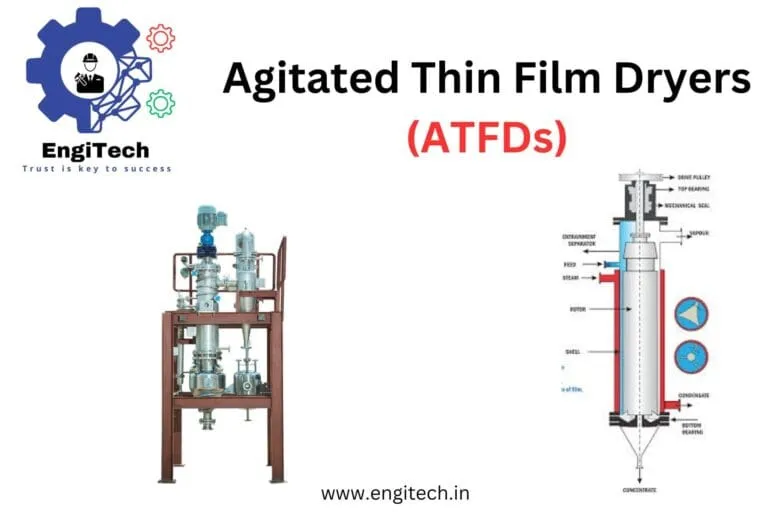 Industrial DryersAgitated Thin Film Dryers: Industrial Drying
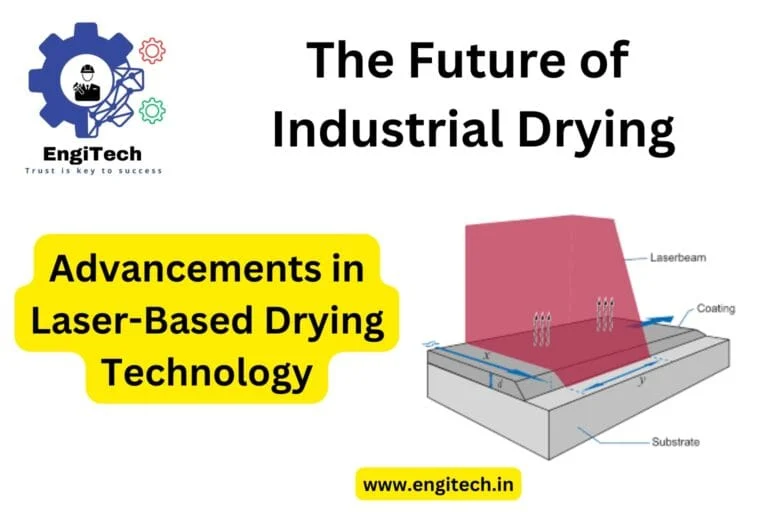 Industrial DryersAdvancements in Laser-Based Drying Technologies: Shaping the Future of Industrial Efficiency
 Industrial DryersHow to Choose an Industrial Dryer: Feed, Heat Source and Cost