
On this page
- Understanding Yarn Dyeing Machines
- Types of Yarn Dyeing Machines
- Latest Technological Advancements in Yarn Dyeing Machines
- Best Practices for Operating Yarn Dyeing Machines
- Factors to Consider When Choosing a Yarn Dyeing Machine
- Troubleshooting Common Issues in Yarn Dyeing
- The Future of Yarn Dyeing Machines
- Common Queries and Doubts About Yarn Dyeing Machines
- Hank vs package vs beam yarn dyeing machines
- Liquor ratio and energy: a worked example
- Choosing a hank dyeing machine for a textile school or lab
- Conclusion
- From EngiTech Team
- 🛠️ Recommended Engineering Guides & Tools
- Sources and further reading
- More on Machinery and Equipment
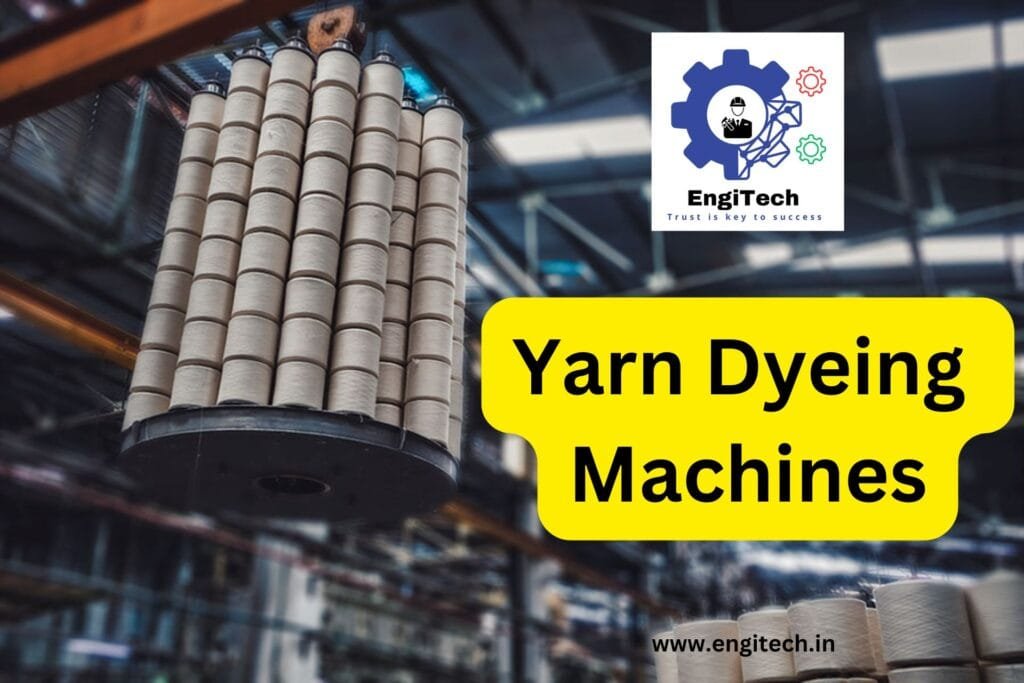
Yarn dyeing is a critical process in the textile industry, where the color is imparted to the yarn before it is woven or knitted into fabrics. The machinery used for this purpose, known as yarn dyeing machines, plays a vital role in ensuring the quality, uniformity, and fastness of the dye. This blog post aims to provide a comprehensive overview of yarn dyeing machines, catering to the needs of knowledge seekers, students, and professionals in the textile industry.
This guide introduces yarn-dyeing machine approaches, working principles and selection questions. Use the actual yarn, process requirement and quality criteria to assess the relevance of each approach with the supplier.
Understanding Yarn Dyeing Machines
Yarn dyeing machines are specialized equipment designed to dye yarns in a uniform and controlled manner. The choice of the machine depends on various factors, including the type of yarn, the desired dyeing effect, production capacity, and cost considerations. Below, we will explore the most common types of yarn dyeing machines used in the industry.
Types of Yarn Dyeing Machines
- Hank Dyeing Machines
- Description: Hank dyeing machines are traditional machines used for dyeing yarns in the form of hanks. These machines are known for their gentle handling of yarns, making them ideal for delicate fibers such as wool and silk.
- Working Principle: In hank dyeing, the yarn is loosely coiled into hanks and then immersed in a dye bath. The machine circulates the dye liquor, ensuring even penetration of color into the yarn.
- Advantages: Hank dyeing machines offer excellent color penetration and are suitable for small batches. They are also preferred for dyeing yarns that require a soft and fluffy finish.
- Expert Insight: Use hank dyeing machines for high-quality, small-scale production where color precision and yarn texture are essential.
- Package Dyeing Machines
- Description: Package dyeing machines are widely used in the industry for dyeing yarns wound on perforated spools or cones. These machines are known for their efficiency and ability to handle large volumes.
- Working Principle: In package dyeing, the yarn is wound on perforated spools, which are then stacked on a dyeing carrier. The dye liquor is forced through the yarn packages, ensuring uniform color distribution.
- Advantages: Package dyeing machines are highly efficient, capable of dyeing large quantities of yarn with minimal dye wastage. They also allow for consistent color uniformity across the batch.
- Expert Insight: For large-scale production, package dyeing machines are recommended due to their efficiency, scalability, and cost-effectiveness.
- Beam Dyeing Machines
- Description: Beam dyeing machines are used for dyeing yarns wound on beams. These machines are particularly suitable for dyeing warp yarns that will be used in weaving.
- Working Principle: In beam dyeing, the yarn is wound on beams and placed in a horizontal position within the machine. The dye liquor is circulated through the yarn, ensuring even dyeing.
- Advantages: Beam dyeing machines offer excellent tension control, making them ideal for dyeing yarns that require precise tension, such as those used in weaving.
- Expert Insight: Beam dyeing machines are recommended for warp yarns that need to maintain consistent tension and alignment during dyeing.
- Jet Dyeing Machines
- Description: Jet dyeing machines are versatile and can dye both yarns and fabrics. These machines are known for their high dyeing speed and ability to handle a wide range of fiber types.
- Working Principle: In jet dyeing, the yarn or fabric is propelled through the machine by a jet of dye liquor. The high-speed circulation ensures even dye penetration and rapid dyeing.
- Advantages: Jet dyeing machines are highly efficient, capable of handling various fiber types and blends. They also offer quick turnaround times and reduced energy consumption.
- Expert Insight: Jet dyeing machines suit industries that require flexibility in dyeing different types of yarns and fabrics.
- Skein Dyeing Machines
- Description: Skein dyeing machines are used for dyeing yarns wound in the form of skeins. These machines are particularly suitable for small batches and specialty yarns.
- Working Principle: In skein dyeing, the yarn is wound into skeins and then immersed in the dye bath. The machine gently circulates the dye liquor, ensuring even color distribution.
- Advantages: Skein dyeing machines are ideal for small-scale production and specialty yarns that require careful handling. They also allow for excellent color control and customization.
- Expert Insight: For artisanal and specialty yarns, skein dyeing machines are recommended due to their ability to deliver precise color control and customization.
Latest Technological Advancements in Yarn Dyeing Machines
The textile industry is continuously evolving, with new technologies being developed to improve the efficiency and sustainability of yarn dyeing machines. Here are some of the latest advancements:
- Low Liquor Ratio Dyeing
- Description: Low liquor ratio dyeing is a technique that reduces the amount of water used in the dyeing process. This conserves water, as well as reduces the amount of dye and chemicals required.
- Benefits: Low liquor ratio dyeing is environmentally friendly and cost-effective, making it a popular choice in modern textile manufacturing.
- Automated Dyeing Systems
- Description: Automated dyeing systems use advanced software and sensors to monitor and control the dyeing process in real time. This ensures precision and consistency in dyeing, reducing the likelihood of errors.
- Benefits: Automation improves efficiency, reduces labor costs, and ensures consistent quality across batches.
- Eco-Friendly Dyes
- Description: The development of eco-friendly dyes has revolutionized the yarn dyeing industry. These dyes are free from harmful chemicals and are designed to reduce the environmental impact of dyeing.
- Benefits: Eco-friendly dyes are safer for workers and the environment, making them a preferred choice for sustainable textile production.
- Energy-Efficient Machines
- Description: Energy-efficient yarn dyeing machines are designed to reduce energy consumption while maintaining high dyeing quality. These machines incorporate technologies such as advanced heating systems, optimized dye liquor circulation, and better insulation to minimize energy loss.
- Benefits: Energy-efficient machines lower operational costs and reduce the carbon footprint of textile production, aligning with global sustainability goals.
- Digital Dyeing Control Systems
- Description: Digital dyeing control systems allow precise control over dyeing parameters such as temperature, dye concentration, and time. These systems are integrated with software that can store and replicate dyeing recipes, ensuring consistency across batches.
- Benefits: Digital control systems improve the accuracy of the dyeing process, reduce human error, and enhance reproducibility, which is essential for maintaining color standards in large-scale production.
Best Practices for Operating Yarn Dyeing Machines
Operating yarn dyeing machines requires a combination of technical knowledge, attention to detail, and adherence to best practices. Here are some expert-recommended practices to ensure optimal performance:
- Pre-Treatment of Yarn
- Explanation: Pre-treating the yarn before dyeing is essential to remove impurities such as oils, waxes, and sizing agents. This ensures that the dye adheres uniformly to the yarn, resulting in even color distribution.
- Best Practice: Use an appropriate scouring and bleaching process tailored to the fiber content of the yarn. This prepares the yarn for the dyeing process and enhances the colorfastness of the final product.
- Accurate Dye Measurement
- Explanation: The precise measurement of dyes and chemicals is critical to achieving consistent color results. Over or under-dosing can lead to variations in color, affecting the quality of the final product.
- Best Practice: use digital scales and automated dosing systems to ensure accurate measurement of dyes. Regularly calibrate equipment to maintain precision in dyeing operations.
- Temperature Control
- Explanation: Temperature plays a significant role in the dyeing process, influencing the rate of dye absorption and fixation. Maintaining the correct temperature is essential for achieving the desired color intensity and uniformity.
- Best Practice: Monitor the temperature throughout the dyeing cycle using digital sensors. Gradually raise and lower the temperature to avoid thermal shock to the yarn, which can affect dye uptake.
- Proper Yarn Loading
- Explanation: The way yarn is loaded into the dyeing machine can impact the dyeing outcome. Overloading can lead to uneven dye distribution, while underloading can result in inefficient dyeing.
- Best Practice: Follow the manufacturer’s guidelines for yarn loading to ensure even exposure to the dye liquor. Ensure that the yarn is not tightly packed, allowing the dye to circulate freely.
- Regular Maintenance
- Explanation: Regular maintenance of yarn dyeing machines is essential to prevent breakdowns and ensure consistent performance. Neglecting maintenance can lead to machine malfunctions and production delays.
- Best Practice: Establish a routine maintenance schedule that includes cleaning, lubrication, inspection of moving parts, and calibration of sensors. Keep a log of maintenance activities to track the machine’s performance over time.
Factors to Consider When Choosing a Yarn Dyeing Machine
Selecting the right yarn dyeing machine is essential for achieving the desired dyeing results. Here are some factors to consider when making your choice:
- Type of Yarn: Different yarns require different dyeing techniques. For example, delicate fibers like silk may require gentle handling in a hank dyeing machine, while synthetic fibers may be better suited for package dyeing machines.
- Production Capacity: The scale of production plays a significant role in determining the type of machine. Large-scale operations may benefit from package or beam dyeing machines, while small-scale or artisanal production may be better suited for hank or skein dyeing machines.
- Color Uniformity: Achieving consistent color across all yarns in a batch is essential. Machines like package dyeing machines offer excellent color uniformity, making them ideal for large-scale production.
- Cost Considerations: The cost of the machine, as well as operating and maintenance costs, should be considered. While some machines may have a higher upfront cost, they may offer long-term savings through efficiency and reduced dye wastage.
- Energy Efficiency: With the increasing focus on sustainability, energy-efficient machines are becoming more popular. Machines like jet dyeing machines are designed to minimize energy consumption while delivering high-quality dyeing results.
Troubleshooting Common Issues in Yarn Dyeing
Even with the best machines and practices, issues can arise during the yarn dyeing process. Here, we address some common problems and their solutions:
- Uneven Dyeing
- Problem: Uneven dyeing can occur due to improper yarn loading, inconsistent dye liquor flow, or temperature fluctuations. This results in patches of different shades on the yarn.
- Solution: Ensure proper yarn loading and even distribution of the dye liquor. Regularly check and maintain the circulation system to prevent blockages. Monitor temperature closely to avoid fluctuations.
- Color Fading
- Problem: Color fading can result from insufficient dye fixation, exposure to excessive heat, or the use of low-quality dyes. Fading reduces the aesthetic appeal and durability of the yarn.
- Solution: Use high-quality dyes and ensure proper fixation by maintaining the recommended temperature and time during the dyeing process. Avoid overexposure to heat, particularly during drying and finishing.
- Yarn Breakage
- Problem: Yarn breakage during dyeing can occur due to excessive tension, poor yarn quality, or mechanical issues within the machine. Breakage disrupts the production process and leads to material waste.
- Solution: Reduce tension on the yarn during loading and dyeing. Inspect the yarn for defects before dyeing and use quality yarns suitable for the dyeing process. Regularly check the machine’s mechanical components for wear and tear.
- Color Variation Between Batches
- Problem: Color variation between batches can be caused by inconsistencies in dyeing parameters, such as dye concentration, temperature, or time. This leads to discrepancies in the final product.
- Solution: Standardize the dyeing process by creating and following detailed dyeing recipes. Use digital control systems to replicate parameters accurately across batches. Conduct quality checks after each batch to ensure consistency.
- Staining of Machine Parts
- Problem: Staining of machine parts can occur due to the accumulation of dye residues, particularly in machines that handle multiple colors. This can lead to cross-contamination of colors.
- Solution: Implement a thorough cleaning protocol between dyeing cycles, especially when changing colors. Use appropriate cleaning agents to remove dye residues from machine parts. Consider using machines dedicated to specific color ranges to minimize cross-contamination.
The Future of Yarn Dyeing Machines
The future of yarn dyeing machines lies in the continued integration of technology and sustainability. As the textile industry moves towards eco-friendly practices, yarn dyeing machines will evolve to meet these demands. Here are some trends to watch:
- Sustainable Dyeing Practices
- Trend: The push towards sustainability is driving the development of dyeing machines that use less water, energy, and chemicals. This includes machines designed for low liquor ratio dyeing and those compatible with natural and biodegradable dyes.
- Impact: Sustainable dyeing practices will reduce the environmental footprint of the textile industry, making it more responsible and appealing to eco-conscious consumers.
- Digitalization and Automation
- Trend: The digitalization of the dyeing process will continue to advance, with more machines featuring automated control systems, real-time monitoring, and data analytics. This will enhance precision, efficiency, and traceability in yarn dyeing.
- Impact: Automation will reduce the reliance on manual labor, minimize errors, and improve the overall quality and consistency of dyed yarns.
- Customization and Flexibility
- Trend: The demand for customized and small-batch production is increasing, leading to the development of dyeing machines that offer greater flexibility. These machines will be capable of handling a wide range of yarn types and dyeing processes with minimal setup time.
- Impact: Customization will allow manufacturers to meet the diverse needs of their customers, offering unique and personalized products without compromising on quality.
- Smart Yarn Dyeing Machines
- Trend: The rise of the Internet of Things (IoT) is paving the way for smart yarn dyeing machines that can communicate with other machines and systems. These machines will be able to optimize dyeing processes, predict maintenance needs, and provide real-time feedback.
- Impact: Smart machines will enhance operational efficiency, reduce downtime, and enable data-driven decision-making in the dyeing process.
Common Queries and Doubts About Yarn Dyeing Machines
As a knowledge seeker, student, or professional, you may have several questions about yarn dyeing machines. Below, we address some of the most common queries:
1. How do I choose the right dye for my yarn?
- Answer: The choice of dye depends on the fiber content of the yarn. For example, acid dyes are commonly used for protein fibers like wool and silk, while reactive dyes are suitable for cellulose fibers like cotton. It is essential to select a dye that is compatible with the fiber and the desired colorfastness properties.
2. What are the environmental impacts of yarn dyeing machines?
- Answer: Yarn dyeing can have significant environmental impacts, particularly in terms of water usage and chemical discharge. Modern machines are designed to minimize these impacts by reducing water and energy consumption and using eco-friendly dyes. It is vital to choose machines that offer sustainable dyeing solutions.
3. How can I ensure consistent color across different batches?
- Answer: Consistency in color can be achieved by maintaining strict control over the dyeing process, including the dye concentration, temperature, and time. Machines like package dyeing machines are designed to offer excellent color uniformity, making them ideal for large-scale production where consistency is essential.
4. What are the maintenance requirements for yarn dyeing machines?
- Answer: Regular maintenance is essential to ensure the longevity and efficiency of yarn dyeing machines. This includes routine cleaning, inspection of moving parts, and calibration of dyeing parameters. It is advisable to follow the manufacturer’s maintenance guidelines to avoid downtime and costly repairs.
5. Can I use the same machine for dyeing different types of yarns?
- Answer: Some machines, like jet dyeing machines, are versatile and can handle a wide range of yarn types. However, it is essential to adjust the dyeing parameters according to the fiber content and desired dyeing results. It may also be necessary to clean the machine thoroughly between batches to avoid cross-contamination of colors.
Hank vs package vs beam yarn dyeing machines
| Machine | Yarn form | Best for |
|---|---|---|
| Hank dyeing machine | Loose skeins (hanks) | Wool, cashmere, acrylic and bulky or fancy yarns that must stay soft and lofty |
| Package dyeing machine | Yarn wound on perforated tubes or springs | Cotton, polyester and blends in volume; the most common industrial method |
| Beam dyeing machine | Yarn wound on a perforated beam | Warp yarn that goes straight to weaving |
| Sample / lab dyeing machine | Small hanks or packages | Shade matching, teaching, recipe development |
Liquor ratio and energy: a worked example
The liquor ratio is kilograms of water per kilogram of yarn. Assumed values: a 100 kg batch dyed at 1:8 uses 800 L of water; at 1:5 it uses 500 L, saving 300 L per batch. Heating that water by 60 °C takes about 300 × 4.18 × 60 kJ, so the lower ratio needs roughly 21 kWh less heat per batch, plus less dye, salt, chemicals and effluent. This is why low liquor ratio machines are the most energy-efficient choice.
Choosing a hank dyeing machine for a textile school or lab
- Capacity: small sample machines of a few kilograms let students dye many shades without waste.
- Controls: a programmable controller that records temperature, time and dosing, so students learn real dyeing curves.
- Materials: stainless steel 316 wetted parts resist acid and reactive dyeing chemicals.
- Low liquor ratio and reversible flow: saves water and gives even dyeing.
- Safety: pressure and temperature interlocks, and splash guards for training use.
For cashmere and fine wool, choose a hank machine with gentle, low-pressure flow, low liquor ratio and precise temperature control, since agitation and fast heating cause felting and harshness.
Conclusion
Yarn dyeing machines are at the heart of the textile industry, enabling the production of thriving, high-quality yarns that meet the demands of fashion, home textiles, and industrial applications. By understanding the different types of yarn dyeing machines, their working principles, and the latest technological advancements, knowledge seekers, students, and professionals can make informed decisions that enhance their operations.
This comprehensive guide has addressed common queries, provided expert insights, and highlighted best practices for operating and maintaining yarn dyeing machines. As the industry evolves, staying informed about the latest trends and innovations will be key to achieving success in yarn dyeing.
Whether you are a student looking to deepen your understanding, a professional seeking to optimize your dyeing process, or an industry expert staying abreast of new developments, this guide is a valuable resource. By following the recommendations and insights shared here, you can ensure that your yarn dyeing operations are efficient, sustainable, and of the highest quality.
From EngiTech Team
Discover cutting-edge insights and comprehensive knowledge at EngiTech, your ultimate resource for the latest advancements in industrial mechanical engineering. Whether you’re a seasoned professional, an ambitious student, or a knowledge seeker, our expertly crafted content empowers you with the tools and information you need to excel. From in-depth guides on industrial dryers and machinery to the latest trends in automation and robotics, EngiTech is your go-to hub for staying ahead in the industry. Explore our content, stay informed, and elevate your expertise with EngiTech.in, where innovation meets engineering excellence.
🛠️ Recommended Engineering Guides & Tools
Related reading: Zigzag Sewing Machines: A Comprehensive Guide for Knowledge Seekers, Students, and Working Professionals; Wire Drawing Machines: A Comprehensive Guide for Knowledge Seekers, Students, and Working Professionals; Thermoformer: Comprehensive Guide for Knowledge Seekers and Professionals; Quenching Machine: A Comprehensive Guide for Knowledge Seekers, Students, and Professionals.
Free tools for this topic: Engineering unit converter · Engineering reference tables · Engineering glossary · all free engineering tools
Sources and further reading
For standards, data and independent guidance on this topic, see OSHA Machine Guarding Standards (welding codes and qualification guidance) and ISO International Engineering Standards (non-destructive testing standards and training). Always check the current edition and your site conditions before applying any figure.
Free tool for this topic
Motor Running Cost & Energy CalculatorElectrical input power, annual energy use and running cost of a motor from its rating, load, efficiency and operating hours. Machinery and EquipmentGantry Cranes: Working Principle, Specs & Selection
 Machinery and EquipmentASME Section VIII Div 1: Pressure Vessel Wall Thickness Math, Heads & Joint Efficiency
 Machinery and EquipmentPaper Making Machinery: Types, Applications, and Buying Considerations
 Machinery and EquipmentTop 10 Laser Machines for Industrial Use: Working Principle, Specs & Selection
 Machinery and EquipmentKnurling Machines
 Machinery and EquipmentBlend Uniformity Testing: Sampling, CV and Acceptance Limits