
On this page
- 1. What Is a Packaging Machine?
- 2. Types of Packaging Machines
- 3. Benefits of Using Packaging Machines
- 4. How to Choose the Right Packaging Machine
- 5. Emerging Trends in Packaging Automation
- General FAQs
- Performance & Efficiency
- Maintenance & Cost
- Conclusion: Invest in the Right Packaging Solution
- 🛠️ Recommended Engineering Guides & Tools
- Sources and further reading
- More on Packaging and Labeling
In short: Packaging machines explained: filling, sealing, wrapping, labelling and cartoning types, with a checklist for choosing the right machine for your product.
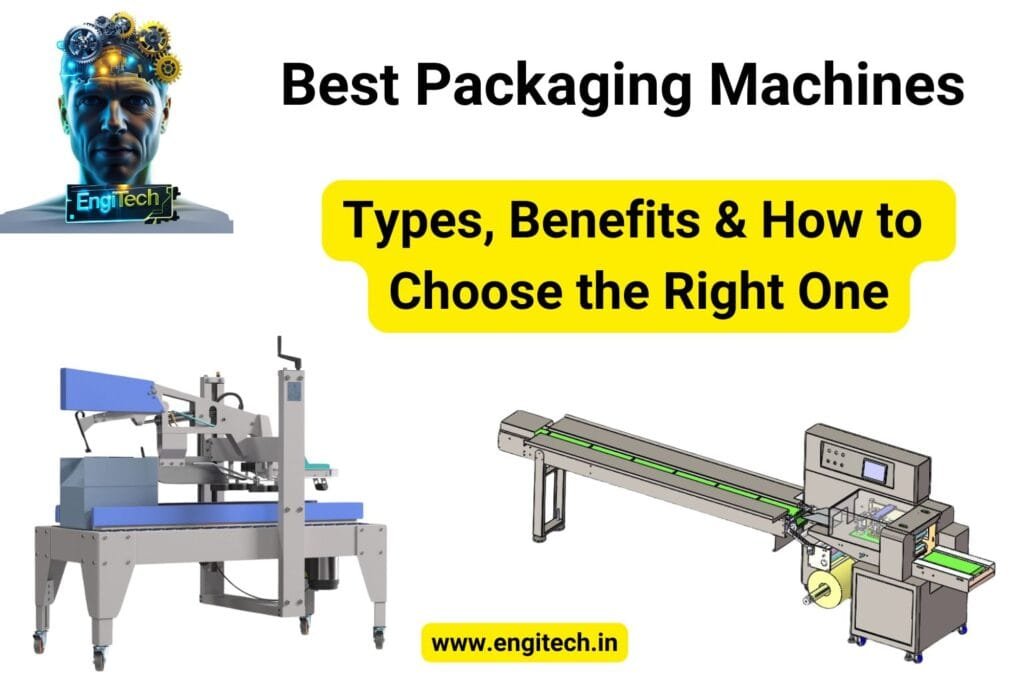
In modern industrial manufacturing, packaging plays a major role in product safety, branding, and efficiency. Whether you’re in food production, pharmaceuticals, cosmetics, or e-commerce, investing in the right packaging machine can significantly impact your bottom line.
Businesses are moving away from manual packaging due to labor costs, inconsistency, and inefficiencies. Instead, automated and semi-automated packaging machines help increase speed, reduce waste, and improve product quality.
This comprehensive guide will explore everything you need to know about packaging machines, from types and benefits to key factors in choosing the best one for your business.
1. What Is a Packaging Machine?
A packaging machine is equipment designed to automate the process of wrapping, sealing, labeling, and protecting products before distribution. It enhances efficiency, ensures product safety, and maintains uniformity in packaging.
Depending on your industry, different packaging machines cater to unique needs, including filling, capping, wrapping, labeling, and vacuum sealing.
2. Types of Packaging Machines
Choosing the right packaging machine depends on factors like product type, production scale, and packaging material. Here are the most common types:
2.1 Filling Machines
Filling machines are used to accurately fill liquids, powders, granules, or solids into containers, pouches, or bottles.
- Liquid filling machines (for beverages, chemicals, oils)
- Powder filling machines (for flour, coffee, protein powders)
- Granule filling machines (for snacks, seeds, fertilizers)
📌 Best for: Food & beverage, pharmaceutical, and chemical industries.
2.2 Sealing Machines
Sealing machines help secure packaging to protect products from contamination and leakage.
- Heat sealers (for plastic pouches and bags)
- Vacuum sealers (for perishable foods)
- Induction sealers (for bottles and jars)
📌 Best for: Food processing, pharmaceuticals, and personal care industries.
2.3 Wrapping Machines
Wrapping machines enclose products in materials like shrink film or stretch wrap for protection and stability.
- Shrink wrapping machines (for bundling multiple items)
- Stretch wrapping machines (for pallets and large shipments)
- Flow wrapping machines (for candy bars, bakery items)
📌 Best for: Retail, e-commerce, and logistics.
2.4 Labeling Machines
Labeling machines apply stickers, barcodes, and product information on packaging.
- Automatic labeling machines (for bottles, cartons, and jars)
- Print-and-apply labelers (for shipping labels)
- Sleeve labeling machines (for shrink-sleeve labels)
📌 Best for: Cosmetics, pharmaceuticals, and food packaging.
2.5 Capping Machines
Capping machines seal bottles and containers with caps, lids, or plugs.
- Screw capping machines (for beverage bottles)
- Snap capping machines (for jars and tubs)
- Crimp capping machines (for perfumes and cosmetics)
📌 Best for: Beverage, pharmaceutical, and chemical industries.
2.6 Cartoning Machines
Cartoning machines automate the folding and sealing of cartons for retail packaging.
- Horizontal cartoners (for packaged foods, medicines)
- Vertical cartoners (for bottles, vials, and delicate products)
- Wrap-around cartoners (for high-speed production lines)
📌 Best for: Consumer goods, pharmaceuticals, and electronics.
3. Benefits of Using Packaging Machines
Upgrading to automated packaging machinery offers several advantages:
✅ Increased Productivity
Automated systems work faster than manual labor, allowing businesses to scale up production while maintaining efficiency.
✅ Consistent and Precise Packaging
Machines eliminate human error, ensuring each product is packaged with the same accuracy, weight, and seal quality.
✅ Cost Savings on Labor
Investing in packaging machines reduces labor dependency, minimizing wage expenses and improving operational efficiency.
✅ Enhanced Product Safety
Proper sealing and wrapping prevent contamination, leaks, and damage, especially in food and pharmaceutical industries.
✅ Reduced Waste and Material Costs
Modern packaging machines use precise measurements, helping businesses save materials and reduce packaging waste.
✅ Improved Brand Image
High-quality packaging enhances brand reputation by delivering a polished and professional look to customers.
4. How to Choose the Right Packaging Machine
Selecting the right packaging machine depends on several key factors:
4.1 Type of Product
- Liquid, powder, solid, or granular products require different types of filling and sealing machines.
4.2 Packaging Material
- Plastic, glass, cardboard, or aluminum? Machines are designed to work with specific materials.
4.3 Production Volume
- Small-scale businesses may opt for semi-automatic machines, while large-scale operations require fully automated systems.
4.4 Budget and ROI
- Consider upfront costs vs. long-term savings in labor and efficiency.
4.5 Compliance and Safety Standards
- Packaging machines for food, pharmaceuticals, and chemicals must meet regulatory compliance (FDA, GMP, ISO).
4.6 Integration with Existing Systems
- Ensure the machine fits smoothly into your production line.
5. Emerging Trends in Packaging Automation
The packaging industry is evolving rapidly with new technologies:
📌 Smart Packaging Machines
- AI-powered systems improve efficiency and detect defects in packaging.
📌 Sustainable Packaging
- Machines designed for biodegradable and eco-friendly materials.
📌 IoT & Industry 4.0
- Connected machines provide real-time data on production and maintenance.
📌 Robotic Packaging
- Robotic arms are increasingly used for high-speed precision packaging.
General FAQs
- What is a packaging machine?
A packaging machine automates the process of wrapping, filling, sealing, and labeling products to improve efficiency and consistency. - What are the different types of packaging machines?
Industries use filling machines, sealing machines, wrapping machines, labeling machines, and vacuum packaging machines for various applications. - Which industries use packaging machines?
Food & beverage, pharmaceuticals, cosmetics, electronics, and e-commerce industries rely on packaging machines for product safety and efficiency. - How does a packaging machine work?
A packaging machine automates product handling, measures precise quantities, and seals packages to maintain product integrity. - What are the benefits of using a packaging machine?
A packaging machine increases speed, reduces labor costs, ensures consistency, enhances product safety, and minimizes material waste.
Performance & Efficiency
- How do I choose the right packaging machine for my business?
Choose a packaging machine based on product type, packaging material, production speed, automation level, and budget. - What is the difference between manual, semi-automatic, and fully automatic packaging machines?
- Manual machines require full operator control.
- Semi-automatic machines need some manual intervention.
- Fully automatic machines operate independently with minimal supervision.
- What is the speed of an automatic packaging machine?
The speed varies by model and application but can process anywhere from 30 to over 1,000 packages per minute. - Can a packaging machine handle multiple product sizes?
Many modern packaging machines offer adjustable settings to accommodate different product sizes and shapes. - How accurate is a packaging machine in measuring product quantities?
Advanced weighing and filling systems ensure high accuracy, reducing material waste and ensuring consistency.
Maintenance & Cost
- How do I maintain a packaging machine for optimal performance?
Regular maintenance includes cleaning, lubricating moving parts, checking seals, and calibrating sensors. - What are the common problems in packaging machines?
Issues such as jamming, misalignment, poor sealing, and inconsistent filling can occur without proper maintenance. - How much does a packaging machine cost?
Prices range from a few thousand dollars for basic models to hundreds of thousands for high-speed, automated systems. - What is the lifespan of a packaging machine?
With proper maintenance, a packaging machine can last 10 to 20 years, depending on usage and build quality. - Are packaging machines customizable for specific needs?
Many manufacturers offer custom packaging solutions based on product type, speed, and automation requirements.
Conclusion: Invest in the Right Packaging Solution
The right packaging machine can boost efficiency, reduce costs, and improve product quality, making it an essential investment for businesses of all sizes.
If you’re in the market for a high-performance packaging machine, consider factors like product type, production volume, and industry regulations.
🚀 Ready to Upgrade Your Packaging Process?
🔹 Contact us today for expert advice on selecting the best packaging solution for your business!
🛠️ Recommended Engineering Guides & Tools
Related reading: The Ultimate Guide to Heat Seal Machines: How They Work, Benefits, and Choosing the Right One.
Free tools for this topic: OEE calculator · Motor running cost calculator · all free engineering tools
Sources and further reading
For standards, data and independent guidance on this topic, see OSHA Machine Guarding Standards (welding codes and qualification guidance), ISO International Engineering Standards (non-destructive testing standards and training) and ASME (boiler and pressure vessel codes). Always check the current edition and your site conditions before applying any figure.
Free tool for this topic
Motor Running Cost & Energy CalculatorElectrical input power, annual energy use and running cost of a motor from its rating, load, efficiency and operating hours. Packaging and LabelingThe Definitive Guide to Blister Packing Machines: Everything You Need to Know
 Packaging and LabelingPouch Filling Machine: The Definitive Guide to Modern Packaging Solutions
 Packaging and LabelingWater Filling Machine: The Definitive Guide
 Packaging and LabelingVacuum Pack Machine: The Ultimate Guide to Preservation and Cost Savings
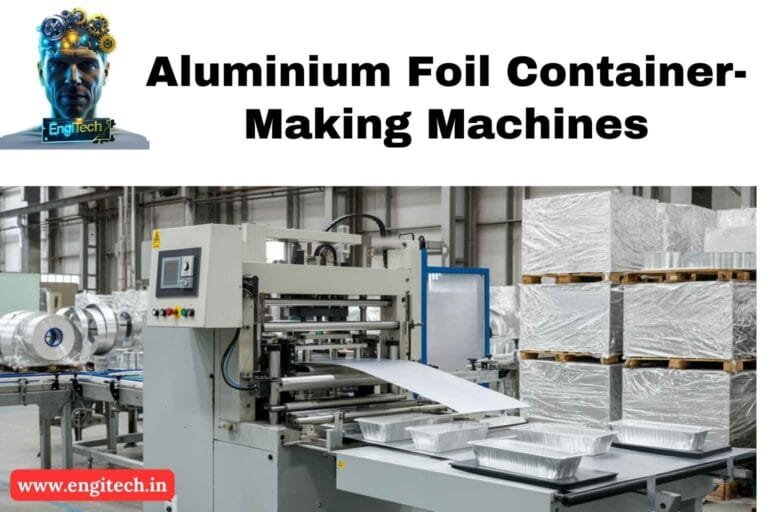 Packaging and LabelingThe Ultimate Guide to Aluminium Foil Container-Making Machines
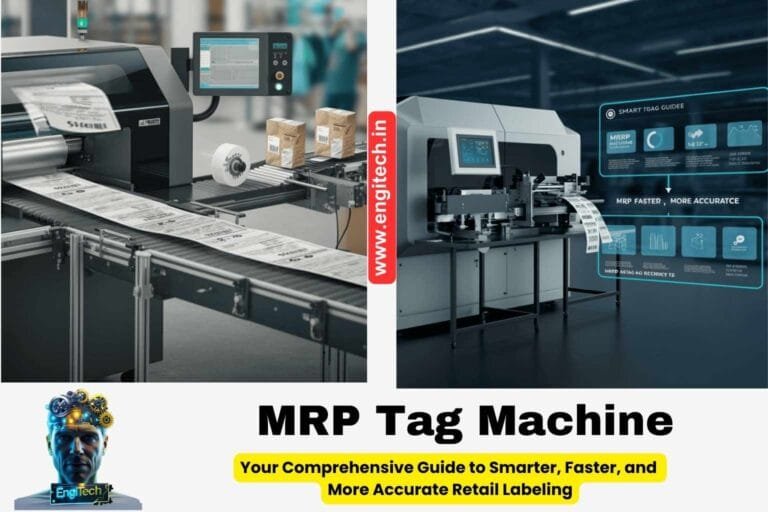 Packaging and LabelingMRP Tag Machine: Your Comprehensive Guide to Smarter, Faster, and More Accurate Retail Labeling