
On this page
- What is an HVAC Filtration System?
- How Do HVAC Filtration Systems Work?
- Types of HVAC Air Filters
- a) Fiberglass Filters
- b) Pleated Filters
- c) HEPA Filters (High-Efficiency Particulate Air)
- d) Electrostatic Filters
- e) UV Light Filters
- f) Carbon Filters
- Importance of HVAC Air Filters for Indoor Air Quality
- MERV Rating and Its Importance
- Common MERV Ratings:
- Choosing the Right HVAC Air Filter
- How to Maintain Your HVAC Filtration System
- Common HVAC Air Filter Myths Debunked
- Myth 1: Thicker filters are always better.
- Myth 2: You only need to change the filter once a year.
- Myth 3: All HVAC filters are the same.
- The Future of HVAC Filtration Systems
- HVAC filter ratings: MERV, ISO 16890 and EN 1822
- Energy efficient air filters: why pressure drop matters
- FAQs About HVAC Filtration Systems
- Conclusion
- 🛠️ Recommended Engineering Guides & Tools
- Sources and further reading
- More on Air Handling and Filtration
In short: HVAC Filtration Systems: Air Filters and Air Quality: how it works, types, benefits and how to choose. Practical engineering guidance from EngiTech.
In today’s world, indoor air quality is more important than ever. HVAC systems play a central role in maintaining the air quality of homes, offices, and industrial spaces. However, the efficiency of these systems is significantly impacted by the quality and effectiveness of the HVAC filtration systems used. Whether you’re a homeowner, building manager, or HVAC professional, understanding HVAC filtration systems and their role in enhancing air quality is essential.
In this comprehensive guide, we’ll cover everything you need to know about HVAC filtration systems, including the different types of HVAC air filters, how they work, their importance in maintaining air quality, and how to choose the best one for your system. By the end of this article, you’ll have a solid understanding of HVAC air filters and be well-equipped to make an informed decision.
What is an HVAC Filtration System?
An HVAC filtration system is designed to remove contaminants from the air before it is circulated through your HVAC (Heating, Ventilation, and Air Conditioning) system. These contaminants can include dust, pollen, mold spores, pet dander, and other particulates that could affect the air quality in your home or business. The primary component of this filtration system is the HVAC air filter, which traps these particles, preventing them from entering the air you breathe.
How Do HVAC Filtration Systems Work?
HVAC filtration systems operate by drawing air through the HVAC unit, passing it through filters that trap harmful particles. The cleaned air is then circulated back into the living or working space. The process can vary depending on the type of HVAC air filters used, but the overall goal remains the same: to improve air quality while ensuring the HVAC system operates efficiently.
One of the key aspects of an HVAC system is maintaining airflow. If the air filter becomes clogged, it restricts airflow, making the system work harder. This can lead to increased energy consumption and wear on the system. Hence, the type and condition of the air filter significantly affect both air quality and energy efficiency.
Types of HVAC Air Filters
Choosing the right HVAC air filter depends on several factors, including the level of air filtration needed, the type of HVAC system, and your specific indoor air quality requirements. Below are the common types of HVAC air filters:
a) Fiberglass Filters
These are the most basic and affordable types of filters. They are designed to protect your HVAC system rather than improve air quality. Fiberglass filters trap large particles like dust, but they don’t do much to trap smaller pollutants such as allergens or mold spores.
b) Pleated Filters
Pleated filters are made from polyester or cotton and have folds (pleats) to increase the surface area for capturing airborne particles. They provide better filtration than fiberglass filters and are effective at removing dust, pollen, and pet dander.
c) HEPA Filters (High-Efficiency Particulate Air)
HEPA filters are the gold standard in air filtration. These filters can remove at least 99.97% of particles as small as 0.3 microns. HEPA filters are used in environments that require the highest level of air cleanliness, such as hospitals and clean rooms. However, not all HVAC systems can accommodate HEPA filters due to their thickness and the resistance they create.
d) Electrostatic Filters
These filters use an electric charge to attract and trap particles like dust and allergens. Electrostatic filters can be reusable and washable, making them an environmentally friendly option.
e) UV Light Filters
While not a traditional air filter, UV light filters use ultraviolet light to kill bacteria, viruses, and mold spores in the air. These are often used in combination with other filters for comprehensive air cleaning.
f) Carbon Filters
Carbon filters use activated carbon to remove odors, fumes, and gases from the air. While they don’t trap particulate matter, they are highly effective at improving air quality by eliminating harmful chemicals and odors.
Importance of HVAC Air Filters for Indoor Air Quality
The quality of your indoor air is directly tied to the performance of your HVAC filtration system. Without proper filtration, pollutants can circulate through your home or business, leading to health issues like allergies, respiratory problems, and asthma. Here’s why choosing the right HVAC air filter is essential:
- Allergen Control: High-efficiency filters help to remove allergens such as dust, pollen, and pet dander from the air.
- Mold and Mildew Prevention: Proper filtration can reduce moisture and trap mold spores, preventing them from spreading through your HVAC system.
- Improved HVAC Efficiency: Clean air filters allow for better airflow, which can improve the performance of your HVAC system and reduce energy costs.
- Health Benefits: Cleaner air means fewer airborne pathogens, which can contribute to a healthier environment, especially for those with pre-existing conditions.
MERV Rating and Its Importance
When selecting an HVAC air filter, you’ll encounter a rating system called MERV (Minimum Efficiency Reporting Value). The MERV rating measures the filter’s ability to capture particles of varying sizes. The higher the MERV rating, the more efficient the filter is at capturing smaller particles.
See it in 3D
Common MERV Ratings:
- MERV 1-4: Basic protection, mostly for protecting HVAC equipment.
- MERV 5-8: Moderate filtration, suitable for residential use.
- MERV 9-12: Better air filtration for homes with pets or allergies.
- MERV 13-16: Best residential filtration, trapping bacteria, smoke, and viruses.
- MERV 17-20: Typically used in hospitals, these filters can capture nearly all airborne particles.
Choosing the Right HVAC Air Filter
Selecting the right HVAC air filter depends on several factors, including the size of your space, specific air quality concerns, and your HVAC system’s capabilities. Here are some practical tips for choosing the right filter:
- Check Your HVAC Manufacturer’s Recommendations: Some filters, like HEPA filters, may not be compatible with all HVAC systems.
- Consider Your Indoor Air Quality Needs: If you have pets or allergies, you’ll need a filter with a higher MERV rating.
- Evaluate Energy Efficiency: Filters that are too thick can reduce airflow and cause your HVAC system to work harder, leading to higher energy bills.
How to Maintain Your HVAC Filtration System
Regular maintenance is key to ensuring your HVAC filtration system performs efficiently. Here are a few maintenance tips:
- Change Filters Regularly: It’s recommended to change or clean filters every 1-3 months, depending on the filter type and indoor air conditions.
- Check Filter Fit: Make sure the filter fits snugly in the HVAC unit to prevent air from bypassing it.
- Inspect for Wear: Over time, filters may become damaged or clogged. Inspect your filters for tears or signs of heavy buildup.
Common HVAC Air Filter Myths Debunked
Myth 1: Thicker filters are always better.
Thicker filters aren’t always the best choice. While they capture more particles, they can reduce airflow and strain your HVAC system.
Myth 2: You only need to change the filter once a year.
Filters should be changed more frequently, usually every 1-3 months, depending on usage and air quality.
Myth 3: All HVAC filters are the same.
Different filters offer varying levels of filtration, and the best choice depends on your specific needs.
The Future of HVAC Filtration Systems
The HVAC industry is constantly evolving with advances in filtration technology. New systems, such as smart filters with sensors that monitor air quality and notify you when it’s time for a replacement, are becoming more popular. Additionally, there’s a growing focus on environmentally friendly filters that are both reusable and recyclable.
HVAC filter ratings: MERV, ISO 16890 and EN 1822
| Use | MERV (ASHRAE 52.2) | ISO 16890 |
|---|---|---|
| Pre-filter, coarse dust | MERV 6 to 8 | ISO Coarse |
| General offices, retail | MERV 11 to 13 | ISO ePM2.5 50 to 65% |
| Hospitals, labs, better indoor air | MERV 14 to 16 | ISO ePM1 70 to 85% |
| Clean rooms, operating theatres | HEPA (H13, H14 under EN 1822) | |
Energy efficient air filters: why pressure drop matters
A filter costs far more in fan energy over its life than to buy. Fan power is roughly airflow × pressure drop ÷ fan efficiency. Assumed values: 10,000 m³/h through a filter bank with an average pressure drop of 150 Pa needs about 694 W; a low-resistance filter of the same rating averaging 100 Pa needs about 463 W. Running all year, the difference is about 2,028 kWh per year for one air handler.
- Choose deep pleated or V-bank filters with more media area: lower resistance and longer life.
- Change filters at a set final pressure drop measured by a gauge, not by the calendar alone.
- Use a cheap pre-filter to protect expensive fine filters.
- Seal the filter frames; air that bypasses a high-grade filter wastes both energy and filtration.
See also electrostatic air filters.
FAQs About HVAC Filtration Systems
Q: How often should I change my HVAC air filter?
A: Depending on the type of filter and usage, you should change it every 1-3 months.
Q: Can I use a HEPA filter in my home HVAC system?
A: Not all HVAC systems can accommodate HEPA filters due to their thickness and resistance to airflow. Check with your manufacturer.
Q: Does a higher MERV rating mean better air quality?
A: Yes, a higher MERV rating means the filter can trap smaller particles, but it’s essential to balance filtration efficiency with system compatibility.
Conclusion
Understanding HVAC filtration systems is critical for maintaining good indoor air quality and ensuring your HVAC system operates efficiently. Whether you’re a homeowner or HVAC professional, selecting the right HVAC air filter and keeping it well-maintained can make a significant difference in both air quality and energy costs.
By focusing on HVAC filtration systems and making informed decisions, you’ll enjoy cleaner air, a healthier environment, and a more efficient HVAC system. Explore EngiTech.in for more resources and stay updated on the latest advancements in HVAC technology.
EngiTech dedicated to providing expert insights and cutting-edge knowledge in the field of industrial mechanical engineering. Specializing in machines like dryers, blowers, and HVAC systems, we offer a comprehensive resource for professionals and businesses looking to optimize their operations. Whether you’re seeking solutions to improve efficiency or stay updated on the latest industry innovations, EngiTech is your trusted partner. Dive into our expertly curated content, designed to help you make informed decisions and elevate your engineering projects. Explore EngiTech today for the tools, tips, and technical expertise you need to stay ahead in the industry.
🛠️ Recommended Engineering Guides & Tools
Related reading: Top Air Compressor Accessories and Attachments for Maximum Efficiency; How Sound Attenuators in HVAC Systems Enhance Noise Control and Efficiency; Ultimate Guide to Industrial Air Filtration Systems: The Key to Cleaner, Safer Workplaces; The Ultimate Guide to Panel Filters: Enhancing Air Quality and System Efficiency.
Free tools for this topic: Chiller cooling load calculator · Bag filter sizing calculator · all free engineering tools
Sources and further reading
For standards, data and independent guidance on this topic, see Bureau of Energy Efficiency (energy audit and efficiency programmes in India), Greenhouse Gas Protocol (the standard method for carbon accounting) and US Department of Energy process heating resources (industrial heating and drying efficiency). Always check the current edition and your site conditions before applying any figure.
Free tool for this topic
Bag Filter (Dust Collector) Sizing CalculatorFilter cloth area, number of bags and can velocity check for pulse-jet and reverse-air bag filters from gas flow and air-to-cloth ratio.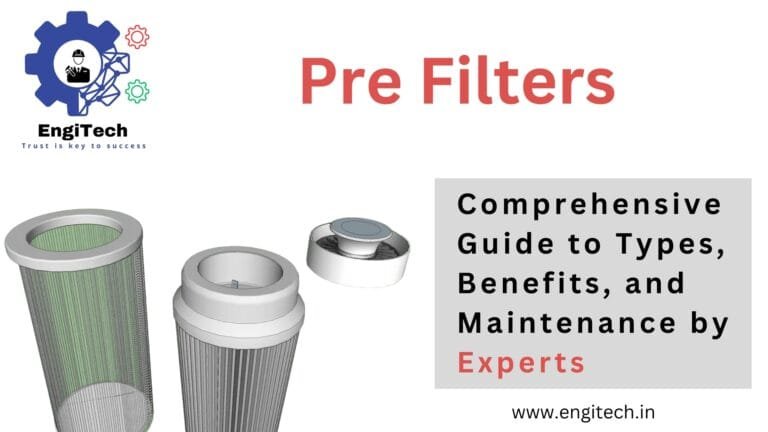 Air Handling and FiltrationPre Filters: Comprehensive Guide to Understanding, Choosing, and Maintaining Pre Filters
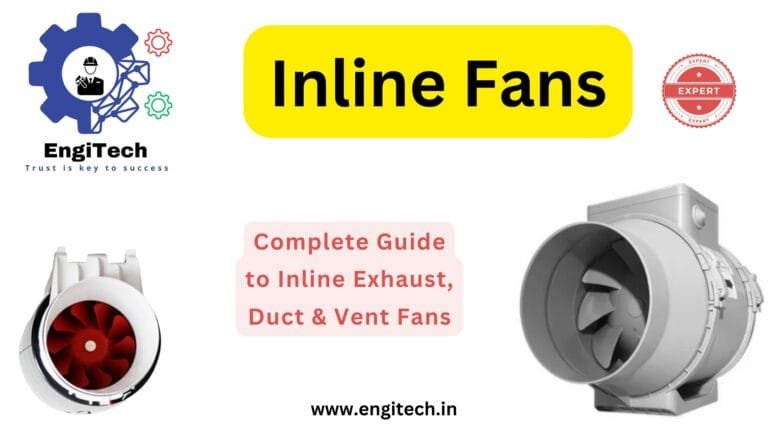 Air Handling and FiltrationInline Fans: Comprehensive Guide to Understanding, Choosing, and Using Inline Exhaust Fans
 Air Handling and FiltrationThe Ultimate Guide to Gravity Louvers: Applications, Benefits, and Selection Tips
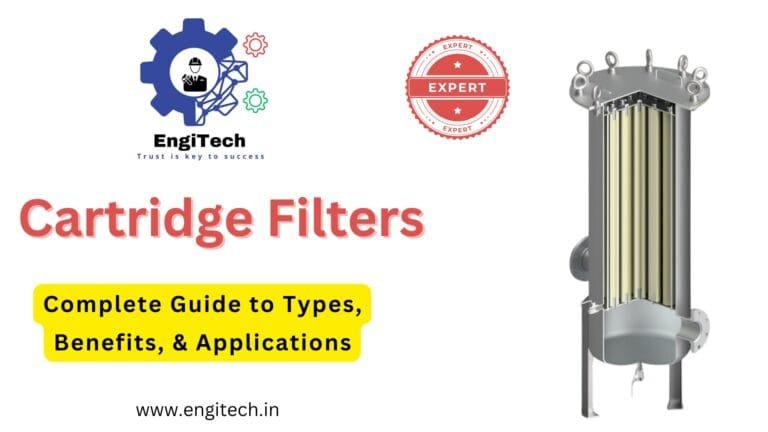 Air Handling and FiltrationCartridge Filters: The Ultimate Guide to Understanding, Choosing, and Using Cartridge Filters in Industrial Applications
 Air Handling and FiltrationUltimate Guide to Industrial Air Filtration Systems: The Key to Cleaner, Safer Workplaces
 Air Handling and FiltrationHVAC & Industrial Duct Silencers: Acoustic Insertion Loss, Pressure Drop & Sizing