
On this page
- 1. Why Bag Sealing Machines Matter
- 2. How a Bag Sealing Machine Works: The Basics
- 3. Types of Bag Sealing Machines
- 3.1 Impulse Sealers
- 3.2 Heat Sealers
- 3.3 Continuous Band Sealers
- 3.4 Vacuum Sealers
- 3.5 Specialty Sealers (Ultrasonic, Induction, etc.)
- 4. Choosing the Right Sealer: Key Considerations
- 5. Industry-Specific Applications
- 6. Step-by-Step Guide to Setting Up Your Bag Sealing Machine
- 7. Best Practices for Optimal Seals
- 8. Maintenance and Troubleshooting
- 9. Emerging Trends in Sealing Technology
- FAQs: Your Top Bag Sealing Machine Questions Answered
- Three Duties, and How to Check Each One Was Solved
- Conclusion: Sealing Your Path to Success
- 🛠️ Recommended Engineering Guides & Tools
- Sources and further reading
- More on Materials Engineering
Imagine spending hours carefully packing products, whether it’s snacks, electronics, or medical supplies, only to find that your seals are inconsistent or your bags are prone to leaks. It’s frustrating, it costs money, and it can damage your brand reputation. A bag sealing machine addresses these pain points by ensuring airtight, reliable seals that keep products fresh, safe, and presentation-ready.
In this comprehensive guide, you will discover the different types of bag sealing machines, how to pick the right one for your business needs, and advanced tips to optimize your packaging line for efficiency. Whether you’re a startup looking to streamline production or a large enterprise aiming for peak performance, this ultimate guide will help you achieve perfect seals every single time.
1. Why Bag Sealing Machines Matter
When it comes to packaging, few components are as critical as the seal. After all, a package that can’t hold its contents securely is doomed from the start. Bag sealing machines play a key role in various industries, from food processing to pharmaceuticals. Here’s why these machines are indispensable:
- Product Integrity: A well-sealed bag prevents contamination, spoilage, and tampering, preserving product quality and safety.
- Extended Shelf Life: An airtight seal can significantly lengthen a product’s usability, especially in the case of perishable goods like fresh produce or meat.
- Professional Presentation: Crisp, secure seals look more polished and make your products more appealing to customers.
- Compliance with Regulations: Many industries must adhere to strict packaging guidelines. A reliable bag sealing machine helps maintain compliance with safety and quality standards.
- Cost Efficiency: Reducing product waste and returns due to faulty packaging translates into lower operational expenses.
Whether you run a small artisanal food business or manage a large-scale manufacturing operation, leveraging a bag sealing machine ensures that every bag you seal meets the highest standards of quality.
2. How a Bag Sealing Machine Works: The Basics
A bag sealing machine’s core function is to fuse layers of bag material into a sturdy, leak-proof seal. While there are various models and types, most bag sealing machines operate on a few common principles:
- Heat Application: Many machines rely on heated bars or strips to melt the plastic layers at the point of contact. Once the material fuses and cools, the seal hardens.
- Compression: Along with heat, precise pressure is applied to ensure the molten plastic is pressed firmly together.
- Cooling & Solidification: After the bag’s edges melt, the seal area cools down quickly, locking the material in place.
- Automation Levels: Ranging from manual impulse sealers to fully automated continuous band sealers, bag sealing machines can be tailored to the production pace you need.
Understanding these fundamentals helps you troubleshoot minor issues, optimize settings, and get the most out of your equipment.
3. Types of Bag Sealing Machines
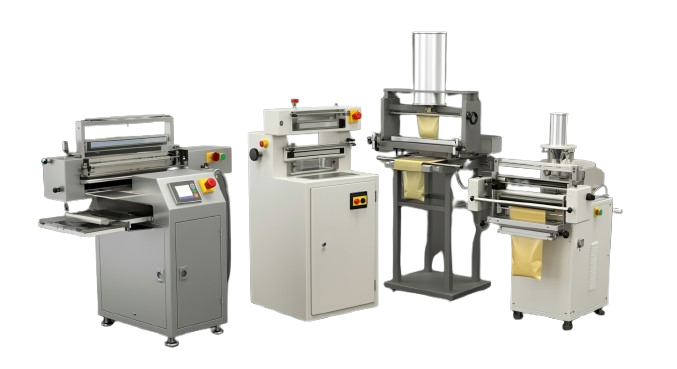
Not all bag sealing machines are created equal. From tabletop impulse sealers suitable for small businesses to high-speed industrial continuous band sealers, there’s a machine for every packaging requirement. Here’s an in-depth look at the most common types:
3.1 Impulse Sealers
- What They Are: Impulse sealers use a brief, high-current pulse of electricity to heat a sealing wire that bonds the bag.
- Ideal For: Low-to-moderate production volumes, small bag sizes, and businesses needing a budget-friendly yet reliable option.
- Advantages:
- Energy-efficient (current flows only when sealing).
- Easy to operate with minimal training.
- Suitable for sealing polyethylene and polypropylene materials.
- Limitations:
- Not optimal for continuous high-volume production.
- Seal width may be limited.
3.2 Heat Sealers
- What They Are: Heat sealers provide consistent, often adjustable, heat along a sealing bar to fuse bag layers.
- Ideal For: Medium-to-high production volumes, diverse bag materials like laminated films or foil.
- Advantages:
- Consistent heat application suitable for thicker materials.
- Adjustable temperature controls for various bag types.
- Usually faster than basic impulse sealers.
- Limitations:
- Consumes more power due to continuous heating.
- May require cooling mechanisms or fans in high-speed settings.
3.3 Continuous Band Sealers
- What They Are: Continuous band sealers use conveyor belts to move bags through heated sealing sections, perfect for automating a production line.
- Ideal For: High-volume operations, especially in food packaging, pharmaceuticals, and large-scale manufacturing.
- Advantages:
- Rapid and consistent sealing speed.
- Can handle different bag materials and thicknesses.
- Often equipped with date coding or embossing features.
- Limitations:
- Higher initial investment compared to simpler sealers.
- Requires more maintenance due to moving parts.
3.4 Vacuum Sealers
- What They Are: Vacuum sealers extract air from the bag before sealing, prolonging shelf life for products sensitive to oxygen.
- Ideal For: Food items like meat, cheese, and nuts; electronics and medical devices needing moisture-free packaging.
- Advantages:
- Increases product shelf life.
- Protects against freezer burn and oxidation.
- Some models allow gas flushing for delicate products.
- Limitations:
- Generally more expensive.
- Not all product types need vacuum packaging.
3.5 Specialty Sealers (Ultrasonic, Induction, etc.)
- What They Are: These include ultrasonic sealers, which use high-frequency vibrations instead of heat, and induction sealers commonly used for bottle caps.
- Ideal For: Niche applications where heat might damage the product or when specialized seals (like tamper-evident seals) are needed.
- Advantages:
- Reduced risk of heat-related damage.
- Often more precise and faster for specialized needs.
- Limitations:
- High-cost equipment.
- May require specialized bag materials or formats.
Choosing the right type of bag sealing machine depends on multiple variables, including your production scale, budget, and the specific materials you’re sealing.
4. Choosing the Right Sealer: Key Considerations
Whether you’re upgrading from a manual process or selecting your first machine, choosing the right bag sealer involves a nuanced approach. Below are the key factors to consider:
4.1 Production Volume
- Low to Moderate Volume: An impulse sealer or a basic heat sealer usually suffices.
- High Volume: A continuous band sealer or automated system is more cost-effective in the long run.
4.2 Bag Material and Thickness
- Poly Bags & Lightweight Films: Impulse sealers and heat sealers work well.
- Foil or Multi-Layer Laminates: Requires a sealer with adjustable temperature controls, typically a heat sealer or continuous band sealer.
4.3 Budget Constraints
- Initial Costs vs. Operational Costs: While impulse sealers are cheaper to buy, they might not be efficient for large operations. Continuous band sealers are pricier upfront but can reduce labor and packaging time significantly.
4.4 Additional Features
- Coding or Embossing: Some sealers can print batch codes or expiration dates on the seal.
- Nitrogen Flushing or Vacuum: Ideal for products that are sensitive to air.
- Portability: Smaller tabletop models are easy to move around; industrial sealers are typically fixed in one location.
4.5 Regulatory and Quality Requirements
- Food Safety Standards: If you’re packaging food, make sure the machine meets local health regulations (e.g., FDA standards in the U.S.).
- ISO or GMP Compliance: For pharmaceutical or medical packaging, consider machines that can integrate smoothly into a certified production environment.
By analyzing these considerations, you can narrow down your options and invest in a bag sealing machine that aligns with both your production goals and budgetary constraints.
5. Industry-Specific Applications
A bag sealing machine is versatile enough to serve multiple industries, each with unique requirements:
5.1 Food & Beverage
- Common Uses: Sealing snacks, coffee beans, powdered drink mixes, fresh produce.
- Key Requirements: Hygienic design, adjustable temperature for various packaging films, possibly nitrogen flushing to extend shelf life.
5.2 Pharmaceuticals & Healthcare
- Common Uses: Sterile packaging for medical devices, samples, powders, and pills.
- Key Requirements: Highly precise sealing, compliance with standards like ISO 11607, potential integration with cleanroom operations.
5.3 Electronics
- Common Uses: Anti-static or moisture-barrier bags for circuit boards and components.
- Key Requirements: Reliable seals to protect against humidity, static electricity, and dust.
5.4 Industrial & Chemical
- Common Uses: Packaging granular chemicals, fertilizers, or construction materials.
- Key Requirements: Durable sealing for heavier, thicker bags; advanced sealing materials that resist corrosive substances.
5.5 E-commerce & Retail
- Common Uses: Poly mailers for apparel, small gadgets, and other e-commerce items.
- Key Requirements: Fast throughput, tamper-evident seals, aesthetically pleasing finishes.
Identifying your industry’s specific demands ensures that you choose a bag sealing machine that delivers consistent, high-quality results.
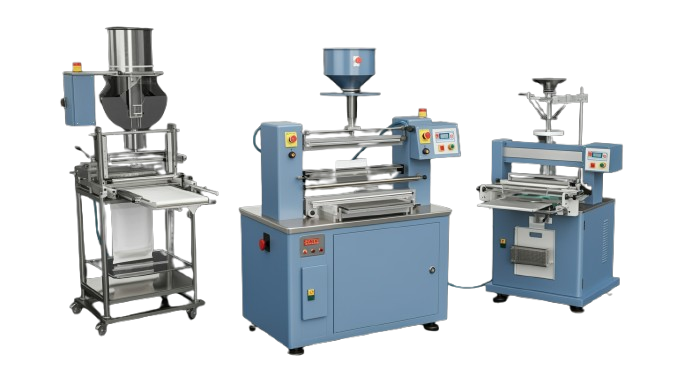
6. Step-by-Step Guide to Setting Up Your Bag Sealing Machine
Setting up your new bag sealing machine correctly from Day One can save you from a slew of headaches later on. Here’s a concise roadmap:
- Unpack & Inspect
- Carefully unbox the machine.
- Verify that all parts, cables, and manuals are included.
- Choose an Optimal Location
- Ensure a flat, stable surface for tabletop models.
- For larger industrial machines, pick a space with adequate ventilation and easy access for maintenance.
- Electrical & Safety Checks
- Confirm voltage and power requirements.
- Check for proper grounding to avoid electrical hazards.
- Install Sealing Bars or Belts
- Follow manufacturer guidelines for attaching the heating elements or conveyor belts.
- Ensure everything is tightened and aligned for smooth operation.
- Configure Settings
- Adjust temperature, pressure, and conveyor speed (if applicable) according to bag material.
- Perform a quick test run using sample bags to fine-tune these settings.
- Train Operators
- Provide hands-on training for staff.
- Emphasize safety procedures and routine checks.
- Document & Store Manuals
- Keep user manuals and service guides accessible.
- Maintain a record of initial calibration settings for future reference.
By following these steps carefully, you set a solid foundation for your packaging line to operate with minimal downtime and maximum efficiency.
7. Best Practices for Optimal Seals
Producing perfect seals consistently can be challenging without a well-thought-out approach. Here are some best practices to keep in mind:
7.1 Preheat and Calibration
- Why It Matters: An underheated sealer results in weak, inconsistent seals, while overheating can melt the bag material.
- Actionable Tip: Run a few test seals each day, especially during shift changes, to confirm temperature settings.
7.2 Material Selection and Preparation
- Why It Matters: Not all plastic films or materials fuse at the same temperature.
- Actionable Tip: Match the bag material to the machine’s temperature range. Remove any moisture or dust from the bag edges before sealing.
7.3 Proper Alignment and Pressure
- Why It Matters: Uneven pressure or misalignment leads to incomplete or crooked seals.
- Actionable Tip: Regularly inspect the sealing jaws or belts for wear. Replace them when necessary.
7.4 Consistent Feed Rate
- Why It Matters: A feed rate that’s too fast can compromise seal integrity, while too slow might cause scorching.
- Actionable Tip: Synchronize conveyor speed (if using a continuous band sealer) with product output to maintain consistency.
7.5 Routine Testing
- Why It Matters: Packaging regulations and quality assurance protocols often require tensile strength tests or leak tests.
- Actionable Tip: Implement weekly or monthly QC checks where you apply gentle pressure or submerge sealed bags in water to detect leaks.
Applying these best practices significantly reduces the likelihood of faulty seals, customer returns, and wasted material.
8. Maintenance and Troubleshooting
Even the most high-end bag sealing machine can run into hiccups if not maintained properly. Below are vital tips and a quick troubleshooting guide:
8.1 Preventive Maintenance
- Regular Cleaning: Wipe down sealing bars or belts to remove residue from melted plastic.
- Lubrication: For machines with moving parts, follow manufacturer guidelines for lubrication.
- Inspection: Conduct routine checks for signs of wear, including cracks in the sealing bar or frayed wires.
8.2 Common Issues & Fixes
- Weak or Incomplete Seals
- Possible Causes: Incorrect temperature, insufficient pressure, dirty or worn sealing bar.
- Solution: Increase temperature incrementally, adjust pressure settings, or replace worn parts.
- Overheating or Melting Bags
- Possible Causes: Temperature set too high, machine left on without cooldown breaks.
- Solution: Lower temperature settings, schedule brief cooldown intervals if operating continuously.
- Crooked Seals
- Possible Causes: Misaligned conveyor belt or sealing bars.
- Solution: Re-align equipment components and ensure the bag feeds straight into the sealer.
- Machine Won’t Turn On
- Possible Causes: Blown fuse, loose power connection, or internal electrical fault.
- Solution: Check power source, replace fuses, or consult a certified technician if needed.
Incorporating a maintenance schedule into your standard operating procedures (SOPs) can minimize downtime and extend the lifespan of your equipment.
9. Emerging Trends in Sealing Technology
The packaging industry is evolving rapidly, and the bag sealing machine is no exception. Staying updated on new developments can give your business a competitive edge. Here are some trends worth watching:
9.1 Smart Sensors and IoT Integration
Modern machines are increasingly equipped with sensors that monitor temperature, seal integrity, and real-time performance. This data can be integrated into an IoT (Internet of Things) platform, enabling predictive maintenance and remote monitoring.
9.2 Sustainability in Packaging
As consumers and governments place more emphasis on eco-friendly practices, manufacturers are developing sealers that work efficiently with biodegradable or compostable films. Innovations in heat application also aim to lower energy consumption.
9.3 Automation and Robotics
For large-scale operations, robotic arms and automated conveyor systems are streamlining the packaging process. Bag sealing machines can be part of a fully automated line that includes filling, labeling, and palletizing.
9.4 Laser Sealing and Ultrasonic Innovations
These cutting-edge technologies minimize heat exposure, making it possible to seal delicate, heat-sensitive materials. Laser sealing can be more precise and faster for certain specialized applications.
Staying ahead of these trends optimizes your packaging process, as well as positions your brand as forward-thinking and environmentally responsible.
FAQs: Your Top Bag Sealing Machine Questions Answered
Q1. How do I determine if my bag sealing machine is food-safe?
Look for machines that comply with local and international hygiene standards, such as USDA or FDA regulations in the United States. Stainless steel construction and easy-to-clean surfaces are also strong indicators of food-safe design.
Q2. Which bag materials work best with an impulse sealer?
Impulse sealers are generally best suited for polyethylene (PE) and polypropylene (PP) bags with relatively thin gauges. Thicker or multi-layer films might require higher-end or continuous heat sealers.
Q3. How often should I replace the sealing elements?
This depends on the frequency of use and the thickness of the materials sealed. Signs like inconsistent sealing temperatures, obvious wear, or fraying on the wire or Teflon strip indicate that it’s time for a replacement.
Q4. Can I seal multiple layers or multiple bags at once?
Sealing multiple layers is possible if your machine’s temperature and pressure settings can handle it. However, stacking multiple bags simultaneously is often discouraged because it can lead to inconsistent seals or partial fusion.
Q5. Is vacuum sealing necessary for all food products?
No. Vacuum sealing is essential for products highly sensitive to oxygen (like meat, cheese, or coffee). If you’re sealing snack foods or items that aren’t prone to rapid spoilage, a traditional heat or impulse sealer may suffice.
Three Duties, and How to Check Each One Was Solved
The three situations below are the ones a bag-sealing specification most often has to answer. They are descriptions of the duty, not reports of a customer: EngiTech has not measured a sealing retrofit, holds no installation data and is not quoting anybody’s result. What is given instead is the mechanism that solves each duty, and the number that would prove it did.
Duty 1: Roasted coffee that stays fresh in a valve bag
- The duty: Seals inconsistent enough that beans go stale in the bag before the customer opens it. The usual causes are not mysterious: a jaw too cool for the laminate, dwell time set by feel, a fold of coffee or chaff caught in the seal area, and a one-way degassing valve that lets CO2 out but will not stop oxygen diffusing back in through a bad side seal.
- What gets specified: A continuous band sealer holds temperature and dwell as machine constants instead of per-bag judgement, which is the whole reason it beats a hand jaw on repeatability. Nitrogen flushing is a separate function and should be specified separately: it displaces headspace oxygen at the moment of closure, and its benefit is measurable only as residual oxygen inside the sealed bag, in percent by volume. Ask for the residual-oxygen figure with the bag style and fill weight you will actually run, because headspace volume changes with both.
- How to verify it, and what a “+30% repeat purchase” claim would need: Freshness has measurable proxies: residual oxygen at the seal, then moisture or sensory checks on retained samples across the shelf life you intend to claim. Repeat purchase does not, because the same period usually brings fresher roast dates, new graphics and a larger subscriber base, and none of those can be held still after the fact. A supplier quoting a repeat-purchase lift from a sealing change should be asked which two periods were compared and what else changed inside them. If the answer is a number on a slide rather than a paired measurement, it is not a measurement.
Duty 2: Poly mailers closed faster on a peak-season line
- The duty: Mailers closed by hand, where turnaround slows and seals fail exactly when order volume peaks. The failure is mechanical, a seal laid over a fold, a wrinkle, or a strip of tape contamination, and the rate is set by the operator’s hands, not by the nameplate speed on the machine.
- What gets specified: An impulse sealer sends a fixed current pulse through a nichrome wire for a dial-set time, so bag one and bag four hundred get the same seal. The real design question is units per person per hour including everything that is not the seal: fold, place, foot pedal, stack. That is why bench height, a bag support and where the finished cartons sit usually matter more than the seal time itself.
- How to verify it: “Time cut in half” is testable in one afternoon before you spend anything: count mailers closed per hour by the same operator, same bag, same fill weight, before and after. Then add the line this page would rather not raise, a hand-folded seal on a poly mailer opens in transit at some rate you can read out of your own reship and returns log. If that cost is already larger than the labour cost, the sealer is being bought for the wrong reason, and the payback looks different once both sides are in the same calculation.
Duty 3: Moisture-sensitive electronics surviving transit
- The duty: Components damaged by humidity or electrostatic discharge between the factory and the customer. That is two problems wearing one sentence. Moisture needs a barrier bag with desiccant and a humidity indicator card; electrostatic damage needs a dissipative or static-barrier bag with a surface resistivity inside the supplier’s declared range. A bag that does one does not do the other, and ordering “the anti-static one” is how both get missed.
- What gets specified: A vacuum chamber removes air before closure, which shrinks bag volume and reduces puncture risk, and also removes the gas cushion that would have protected a loose connector or a fragile edge, so it is not automatically the right choice. What actually protects against moisture is the barrier film thickness, the desiccant gram count sized to the bag’s surface area and the target relative humidity, and the integrity of the seal. The sealer is one variable inside that set, not the solution on its own.
- How to verify it: Returns are the one outcome on this page a buyer can confirm from their own books: returns per thousand units shipped, before and after, with the same product mix on the same carrier lane. Ask for it over more than one season, ambient humidity swings enough across a year that a six-month comparison can show a protection that then disappears in the monsoon quarter, which is precisely when a barrier bag earns its money.
The pattern across all three is the reason this page avoids percentages. A sealing change has one direct, checkable consequence, does the seal hold, and everything after it (freshness, reviews, returns, repeat purchases) arrives through a chain with other links in it. Two questions separate a measured figure from a marketing one: measured against what baseline, and over which period. Ask them of any supplier who answers with a number. Ask them of this page too.
Conclusion: Sealing Your Path to Success
A bag sealing machine is more than just a piece of equipment; it’s a strategic investment in the quality, efficiency, and reputation of your brand. Whether you’re shipping artisanal goods to discerning customers or producing industrial components in bulk, a well-chosen and well-maintained sealer can make all the difference. By understanding the various types of sealers, following best practices, and staying informed about technological advancements, you’ll create packaging that stands out for its reliability and professionalism.
Remember, the journey doesn’t end at purchasing a bag sealing machine. Proper training, maintenance, and a willingness to adapt to emerging trends will ensure you maximize your return on investment. Start small if you must, but keep an eye on how each step can enhance your overall packaging line. In today’s competitive market, that attention to detail can define your success.
Stay Connected with EngiTech
EngiTech is your trusted source for in-depth knowledge on industrial mechanical engineering machines and technologies. Stay ahead with the latest innovations, expert insights, and practical guides designed to help you make informed decisions for your business and engineering needs. Join our growing community of professionals and industry leaders to stay updated and competitive in the ever-evolving world of industrial technology.
🛠️ Recommended Engineering Guides & Tools
Free tools for this topic: OEE calculator · Motor running cost calculator · all free engineering tools
Sources and further reading
Free tool for this topic
Motor Running Cost & Energy CalculatorElectrical input power, annual energy use and running cost of a motor from its rating, load, efficiency and operating hours. Materials EngineeringPowder Metallurgy: The Future of Material Science and Manufacturing
 Materials EngineeringVacuum Crystallizer Engineering: Flash Evaporation, Supersaturation & Slurry Yield
 Machinery and EquipmentThe Best Stone Carving Machines for Artists and Craftsmen: A Comprehensive Guide
 Materials EngineeringFailed Metal Part? What to Prepare for Laboratory Analysis
 Materials EngineeringMetallurgical Engineering: Shaping the Future of Materials
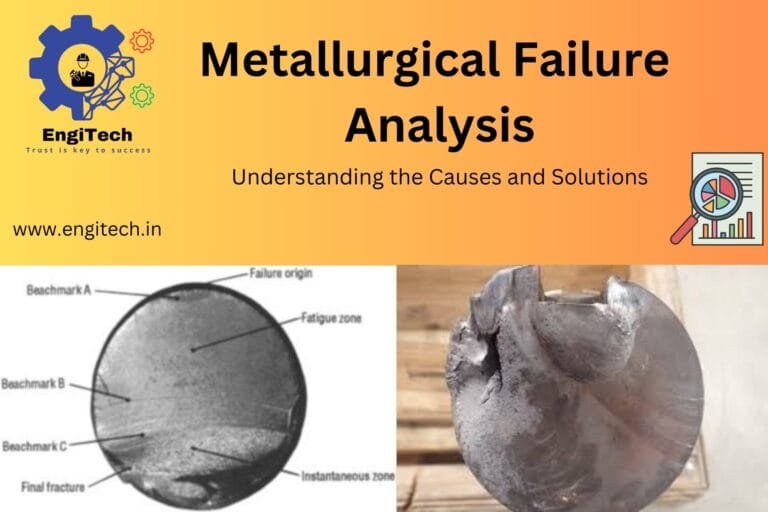 Materials EngineeringMetallurgical Failure Analysis: Fatigue, Stress Corrosion Cracking & SEM Diagnosis