
On this page
- What Are Air Scrubbers?
- How Do Air Scrubbers Work?
- Basic Working Principle:
- The Key Steps in Air Scrubbing:
- Types of Air Scrubbers
- 1. Wet Scrubbers
- 2. Dry Scrubbers
- 3. Electrostatic Precipitators
- 4. Chemical Scrubbers
- Advantages of Using Air Scrubbers
- 1. Effective Pollutant Removal
- 2. Compliance with Environmental Regulations
- 3. Improved Workplace Safety
- 4. Customizable Solutions
- Applications of Air Scrubbers
- 1. Power Plants
- 2. Chemical Manufacturing
- 3. Pharmaceutical Industries
- 4. Food Processing
- 5. Mining and Smelting
- Key Considerations for Choosing an Air Scrubber
- 1. Type of Pollutants
- 2. Industry-Specific Requirements
- 3. Regulatory Compliance
- 4. Maintenance and Operating Costs
- Future Trends in Air Scrubbing Technology
- 1. Advanced Filtration Materials
- 2. Energy-Efficient Scrubbers
- 3. Smart Scrubbing Systems
- Two meanings of “air scrubber”
- How do scrubbers reduce air pollution?
- Chemical air scrubber: a worked example
- Frequently asked questions (FAQs) about air scrubbers
- 1. What is an air scrubber, and how does it work?
- 2. What are the different types of air scrubbers?
- 3. What industries commonly use air scrubbers?
- 4. How do air scrubbers help in reducing air pollution?
- 5. Are air scrubbers energy-efficient?
- 6. Can air scrubbers remove odors and VOCs?
- 7. How do wet scrubbers differ from dry scrubbers?
- 8. What maintenance do air scrubbers require?
- 9. Can air scrubbers be used in residential settings?
- 10. How effective are air scrubbers in controlling emissions?
- 11. What are the environmental benefits of using air scrubbers?
- 12. Are air scrubbers cost-effective for industrial applications?
- Conclusion
- 🛠️ Recommended Engineering Guides & Tools
- Sources and further reading
- More on Air Handling and Filtration
In short: Air Scrubbers: Types, Benefits and Applications: how it works, types, benefits and how to choose. Practical engineering guidance from EngiTech.
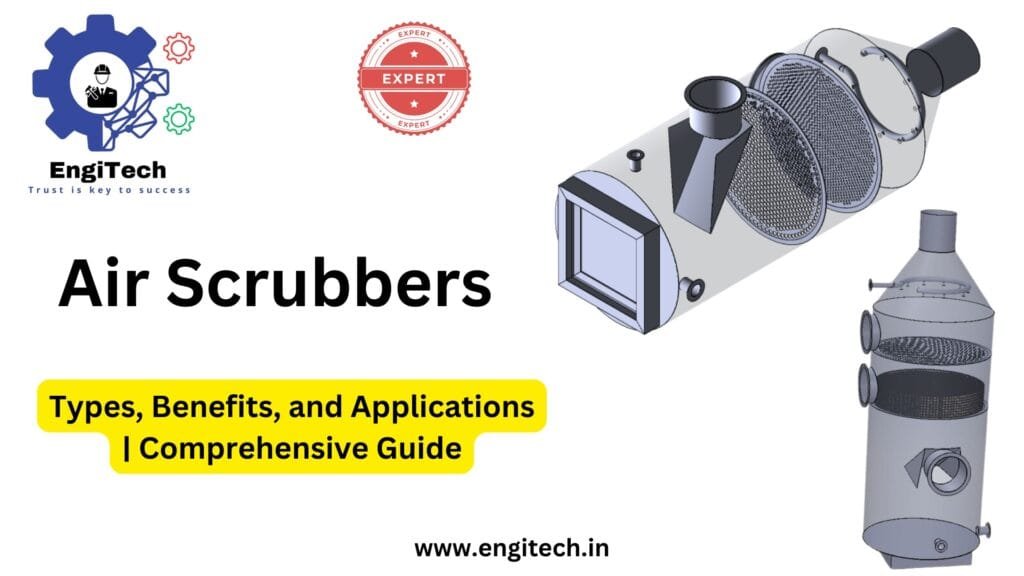
Air pollution is a growing global concern, and industries worldwide are adopting solutions to control harmful emissions. One such essential solution is air scrubbers, which play a critical role in purifying the air by removing contaminants and pollutants from industrial exhaust streams. This comprehensive guide examines what air scrubbers are, how they work, their different types, and their applications across industries. By the end of this post, you’ll have a complete understanding of air scrubbers and their importance in maintaining air quality standards.
What Are Air Scrubbers?
An air scrubber is a device designed to clean polluted air by trapping or neutralizing harmful particles and gases before releasing the purified air back into the atmosphere. These systems are most commonly used in industrial settings where toxic fumes, particulate matter, and harmful chemicals are emitted during manufacturing or processing activities.
Air scrubbers work on a simple principle: they capture pollutants from the air, either through absorption, adsorption, or chemical reaction, depending on the type of scrubber used. They help industries meet stringent environmental regulations, ensuring the release of cleaner air into the environment.
How Do Air Scrubbers Work?
Air scrubbers work by forcing contaminated air through a cleaning medium that traps or breaks down pollutants. Depending on the type of pollutants and the industrial application, different methods are used to remove contaminants.
Basic Working Principle:
- Air Inflow: Contaminated air is drawn into the scrubber.
- Scrubbing Process: The air passes through a scrubbing medium (either a liquid, chemical, or filter), which captures or neutralizes pollutants.
- Air Outflow: Clean air is then expelled from the scrubber and released into the atmosphere or returned to the workspace.
The Key Steps in Air Scrubbing:
- Pre-filtration: Air passes through a pre-filter to remove larger particles before entering the scrubber.
- Scrubbing Mechanism: The core process, where the air is scrubbed using different methods (wet, dry, or chemical reactions).
- Discharge: Once the air is cleaned, it is discharged back into the environment or recirculated within the facility.
Types of Air Scrubbers
Air scrubbers come in several varieties, each suited for specific industrial applications and types of pollutants. Below are the primary types:
1. Wet Scrubbers
A wet air scrubber uses a liquid solution (usually water or a chemical mixture) to trap pollutants. The contaminated air is passed through the liquid, where the pollutants are absorbed or chemically reacted.
Working Process:
- Pollutants are captured by water droplets in the scrubber.
- The polluted water is collected at the bottom of the scrubber for treatment or disposal.
Applications:
- Used in industries that emit dust, gases, and chemicals such as power plants, chemical manufacturing, and food processing.
- Ideal for handling acid gases, volatile organic compounds (VOCs), and particulate matter.
2. Dry Scrubbers
Unlike wet scrubbers, dry air scrubbers do not use any liquids. Instead, they rely on a sorbent material (like activated carbon or limestone) to capture pollutants through adsorption or chemical reactions.
Working Process:
- Contaminated air is passed through a dry filter medium, where pollutants are trapped.
- The clean air is then expelled.
Applications:
- Common in industries with high SO2 and NOx emissions, such as cement factories and metal smelting plants.
3. Electrostatic Precipitators
Electrostatic precipitators, often classified under air scrubbers, use electrical charges to remove fine particulate matter.
Working Process:
- Polluted air is charged using electrodes.
- The charged particles are then attracted to an oppositely charged collection plate.
Applications:
- Commonly used in industries with high smoke and dust emissions, such as power generation plants.
4. Chemical Scrubbers
A chemical air scrubber employs a specific reagent to neutralize harmful gases or vapors through a chemical reaction.
Working Process:
- Contaminated air is passed through a chamber where it interacts with a chemical agent that reacts with and neutralizes the pollutants.
Applications:
- Used in industries emitting hazardous chemicals like ammonia, sulfur dioxide, and hydrogen chloride.
Advantages of Using Air Scrubbers
Air scrubbers provide several benefits, especially for industries striving to meet environmental regulations and ensure worker safety. Below are the key advantages:
1. Effective Pollutant Removal
Air scrubbers can remove a wide range of pollutants, including particulate matter, gases, fumes, and chemicals, making them versatile for various industries.
2. Compliance with Environmental Regulations
Many industries are required to meet strict air quality standards. Air scrubbers help businesses comply with environmental regulations, avoiding penalties and fostering a sustainable image.
3. Improved Workplace Safety
By cleaning the air, air scrubbers protect workers from inhaling harmful chemicals and particulate matter, promoting a healthier work environment.
4. Customizable Solutions
Air scrubbers can be customized based on industry needs, pollutant types, and emission levels, providing tailored solutions for each application.
Applications of Air Scrubbers
Air scrubbers are essential in various industries where air pollution is a byproduct of manufacturing or processing activities. Some key applications include:
1. Power Plants
Power plants, especially coal-fired ones, emit large amounts of sulfur dioxide (SO2) and particulate matter. Wet scrubbers and dry scrubbers are used to remove these pollutants from flue gases before releasing them into the atmosphere.
2. Chemical Manufacturing
Chemical industries often release hazardous gases like ammonia and hydrogen chloride. Chemical scrubbers neutralize these gases, ensuring compliance with safety and environmental regulations.
3. Pharmaceutical Industries
Pharmaceutical plants use air scrubbers to control emissions of volatile organic compounds (VOCs) and particulate matter generated during drug production.
4. Food Processing
In food processing, especially in areas where powders, dust, and fumes are generated, air scrubbers help maintain air quality and prevent contamination of food products.
5. Mining and Smelting
Mining operations generate dust and fumes that can be harmful if not controlled. Air scrubbers, particularly dry and electrostatic types, are used to capture and filter these emissions.
Key Considerations for Choosing an Air Scrubber
Selecting the right air scrubber depends on various factors, including:
1. Type of Pollutants
Different scrubbers work best for different types of pollutants. Wet scrubbers are excellent for particulate matter and gases, while dry scrubbers are more suited for gaseous pollutants like SO2.
See it in 3D
2. Industry-Specific Requirements
Industries like chemical manufacturing may require scrubbers that handle hazardous chemicals, while mining might prioritize scrubbers that manage dust and particulate matter.
3. Regulatory Compliance
Ensure that the air scrubber meets all local environmental regulations and emission standards.
4. Maintenance and Operating Costs
Consider the long-term operating costs of the air scrubber, including maintenance, disposal of waste products, and energy consumption.
Future Trends in Air Scrubbing Technology
As environmental regulations tighten and the demand for cleaner air grows, innovations in air scrubber technology are on the rise. Here are some emerging trends to watch:
1. Advanced Filtration Materials
Research is focused on developing more efficient and durable filtration materials, such as nanofiber and graphene-based materials, that can capture finer particulate matter and toxic gases more effectively.
2. Energy-Efficient Scrubbers
Industries are increasingly looking for air scrubbers that consume less energy while providing high filtration efficiency, reducing the overall operational costs and environmental footprint.
3. Smart Scrubbing Systems
With the rise of the Internet of Things (IoT), smart scrubbers are being developed that can monitor air quality in real-time and adjust scrubbing parameters automatically, ensuring optimal performance.
Free tools for this topic: Bag filter sizing calculator · all free engineering tools
Two meanings of “air scrubber”
In industry, an air scrubber is air pollution control equipment that removes gases, acid mists, odours or dust from process exhaust, usually by contact with a liquid. In building restoration and indoor air work, the term also means a portable HEPA air cleaner (negative air machine) used during mould removal, fire damage clean-up and construction. This guide covers mainly the industrial kind.
How do scrubbers reduce air pollution?
A wet scrubber brings polluted gas into close contact with a scrubbing liquid. Soluble gases dissolve (absorption), reactive gases are neutralised by a chemical in the liquid, and particles are caught by droplets (impaction). The clean gas leaves through a mist eliminator, and the used liquid is bled off for treatment.
| Pollutant | Scrubber type | Scrubbing liquid |
|---|---|---|
| HCl, HF, SO2 (acid gases) | Packed tower | Caustic soda (NaOH) solution |
| Ammonia, amines | Packed tower | Dilute sulphuric acid |
| Odours, H2S | Packed tower, multi-stage | Caustic with hypochlorite |
| Fine dust and fumes | Venturi scrubber | Water |
| Large SO2 loads (boilers) | Spray tower (FGD) | Lime or limestone slurry |
Chemical air scrubber: a worked example
Neutralising 10 kg/h of HCl gas with caustic soda (NaOH + HCl → NaCl + H2O) needs 10 × 40 / 36.46 = 11.0 kg/h of NaOH in theory. Plants dose a little more and control it by measuring the pH of the recirculating liquid, typically holding it around pH 8 to 9 for acid gas duty.
Frequently asked questions (FAQs) about air scrubbers
1. What is an air scrubber, and how does it work?
An air scrubber is a device used to remove pollutants from the air by trapping particles, gases, and other contaminants. It works by drawing in polluted air, filtering or treating it through a medium such as water, chemicals, or dry filters, and then releasing clean air back into the environment. The type of scrubbing mechanism depends on the specific pollutants being targeted.
2. What are the different types of air scrubbers?
The main types of air scrubbers include:
- Wet Scrubbers: Use liquid (usually water) to capture pollutants.
- Dry Scrubbers: use solid materials like sorbents to filter contaminants.
- Electrostatic Precipitators: Use electrical charges to remove fine particles.
- Chemical Scrubbers: Employ chemical reactions to neutralize harmful gases.
3. What industries commonly use air scrubbers?
Air scrubbers are used in various industries, including:
- Power generation (coal-fired plants)
- Chemical manufacturing
- Pharmaceutical production
- Food processing
- Mining and smelting
- Waste management and recycling These industries generate pollutants that need to be controlled to comply with environmental regulations and ensure safety.
4. How do air scrubbers help in reducing air pollution?
Air scrubbers reduce air pollution by capturing and neutralizing harmful pollutants like particulate matter, chemicals, and toxic gases before they are released into the atmosphere. This significantly lowers the concentration of harmful emissions, helping industries meet regulatory standards and protect the environment.
5. Are air scrubbers energy-efficient?
The energy efficiency of air scrubbers depends on the type of system and its design. Wet scrubbers typically require more energy for pumping liquids, while dry scrubbers and electrostatic precipitators tend to be more energy-efficient. Many modern scrubbers are designed with energy-saving features to minimize operational costs while maintaining effective pollutant control.
6. Can air scrubbers remove odors and VOCs?
Yes, certain types of air scrubbers, particularly chemical scrubbers and those using activated carbon, can effectively remove odors and volatile organic compounds (VOCs) from the air. These scrubbers use adsorption or chemical reactions to neutralize harmful gases and unpleasant smells.
7. How do wet scrubbers differ from dry scrubbers?
- Wet Scrubbers use a liquid solution, usually water or chemicals, to capture pollutants. They are particularly effective for removing particulates and soluble gases.
- Dry Scrubbers use solid sorbents or filters to trap pollutants and are preferred for handling dry, acidic gases like sulfur dioxide (SO2) without the need for water or liquid handling.
8. What maintenance do air scrubbers require?
Air scrubbers require regular maintenance to ensure optimal performance. This includes:
- Cleaning or replacing filters (for dry scrubbers).
- Checking and replenishing liquid levels in wet scrubbers.
- Inspecting nozzles, pumps, and ducts for blockages or wear.
- Routine inspection of the collection plates (for electrostatic precipitators). Proper maintenance ensures the scrubber remains efficient and extends its service life.
9. Can air scrubbers be used in residential settings?
While industrial air scrubbers are primarily used in large-scale operations, residential air scrubbers are available for homes. These devices are often installed in HVAC systems to remove allergens, dust, mold spores, and other indoor air pollutants, improving air quality in homes and small offices.
10. How effective are air scrubbers in controlling emissions?
Air scrubbers are highly effective in controlling a wide range of emissions, including particulate matter, volatile organic compounds (VOCs), and harmful gases like sulfur dioxide (SO2) and nitrogen oxides (NOx). Efficiency levels can range from 90% to over 99%, depending on the system design and the type of pollutants being treated.
11. What are the environmental benefits of using air scrubbers?
The primary environmental benefit of air scrubbers is the significant reduction in harmful emissions, which contributes to cleaner air and helps mitigate the effects of air pollution on ecosystems, public health, and climate change. Scrubbers also help industries comply with environmental laws and reduce their overall carbon footprint.
12. Are air scrubbers cost-effective for industrial applications?
Air scrubbers are considered cost-effective for many industrial applications because they help businesses avoid environmental fines, reduce health risks to employees, and meet regulatory requirements. The initial investment in an air scrubber system can be offset by long-term savings on compliance costs and improved operational efficiency. However, the cost-effectiveness depends on factors like the type of scrubber, the size of the system, and the specific industrial application.
These FAQs aim to answer the most common queries about air scrubbers and provide clear, informative insights into their applications and benefits.
Conclusion
Air scrubbers are an indispensable solution for industries aiming to reduce their environmental impact and ensure cleaner air. From wet scrubbers to electrostatic precipitators, each type of air scrubber has specific advantages and is suited to different industrial applications. As regulations become stricter and the need for clean air intensifies, air scrubbers will continue to evolve and play a vital role in protecting both the environment and public health.
Whether you’re in the power generation, chemical manufacturing, or food processing industry, investing in the right air scrubber system is key to compliance, safety, and sustainability.
Explore more comprehensive resources on EngiTech to stay updated on the latest innovations in air purification technologies. Stay informed and ensure your industry meets the highest air quality standards with our expert insights and tips.
🛠️ Recommended Engineering Guides & Tools
Related reading: The Ultimate Guide to Industrial Blowers: Understanding, Applications, and Benefits; Ultimate Guide to Gas Phase Filters: Understanding, Applications, and Benefits.
Sources and further reading
For standards, data and independent guidance on this topic, see US EPA air emissions monitoring knowledge base (particulate and gas measurement methods) and Central Pollution Control Board (emission standards and guidelines). Always check the current edition and your site conditions before applying any figure.
Free tool for this topic
Bag Filter (Dust Collector) Sizing CalculatorFilter cloth area, number of bags and can velocity check for pulse-jet and reverse-air bag filters from gas flow and air-to-cloth ratio. Air Handling and FiltrationThe Ultimate Guide to Gravity Louvers: Applications, Benefits, and Selection Tips
 Air Handling and FiltrationUnderstanding Thermocouples: Comprehensive Guide for Accurate Temperature Measurement
 Air Handling and FiltrationMotorized Dampers: The Ultimate Guide for Efficient HVAC and Ductwork Control
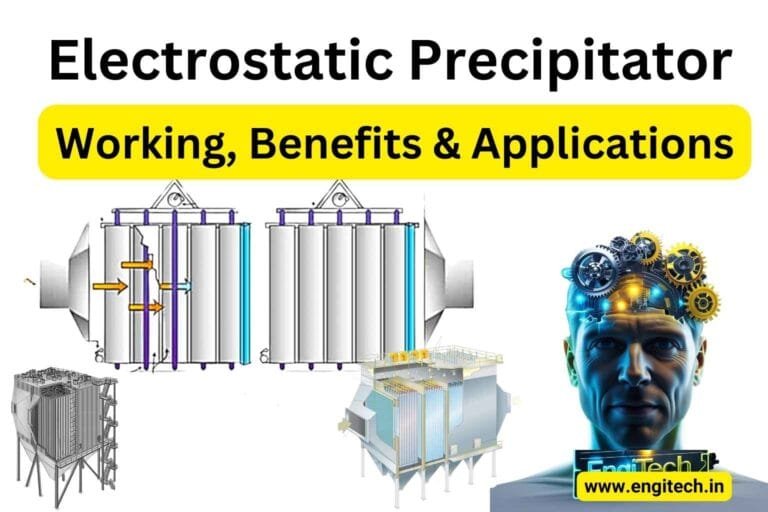 Air Handling and FiltrationThe Ultimate Guide to Electrostatic Precipitators: How They Work, Benefits, and Applications
 Air Handling and FiltrationThe Ultimate Guide to Centrifugal Fans: Types, Applications, and Advantages
 Air Handling and FiltrationUnderstanding Air Dampers: Essential Guide to Industrial Dampers