


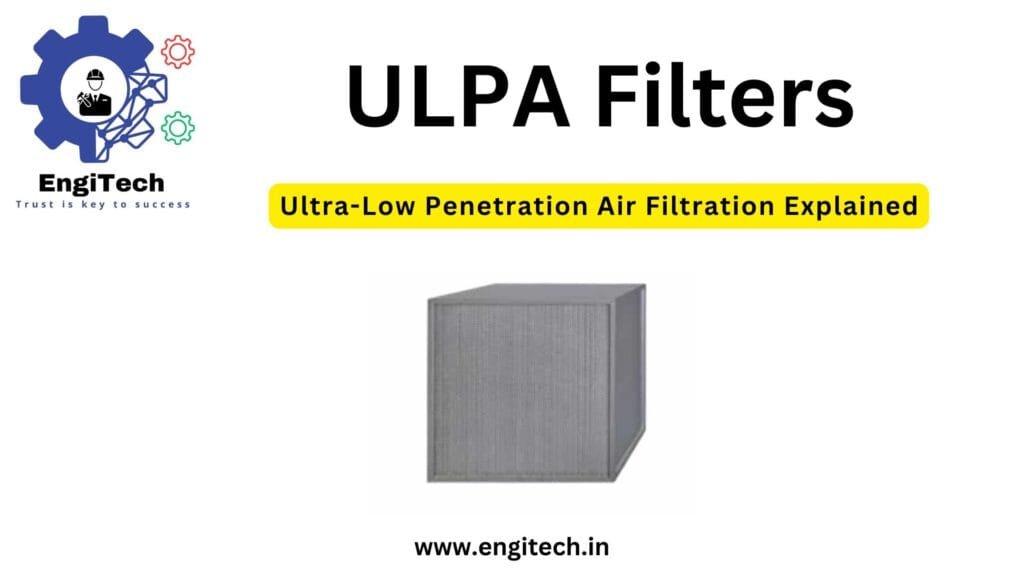
Did you know that ULPA filters can capture particles as small as 0.12 microns with 99.9995% efficiency? That’s approximately 1,000 times smaller than the width of a human hair! In today’s world, where air quality concerns continue to rise, understanding these ultra-efficient filtration systems has never been more important. Whether you’re managing a cleanroom, healthcare facility, or simply want the purest air possible in your home, ULPA filters represent the gold standard in air purification technology.
This comprehensive guide will walk you through everything you need to know about ULPA filters—how they work, where they’re used, their benefits and limitations, and how they compare to other filtration technologies. By the end, you’ll have expert-level knowledge to make informed decisions about implementing ULPA filtration in your specific application.
Table of Contents
What Are ULPA Filters?
ULPA (Ultra-Low Particulate Air) filters represent the pinnacle of air filtration technology. These high-performance filters are designed to remove an extraordinary percentage of airborne particles, including bacteria, viruses, mold spores, and ultrafine dust that other filtration systems might miss.
Definition and Basic Principles
ULPA filters are mechanical air filters that work by forcing air through an extremely fine mesh that traps harmful particles. By definition, a true ULPA filter must remove at least 99.9995% of particles that are 0.12 microns in diameter or larger. To put this in perspective:
- A human hair is approximately 50-70 microns in diameter
- Bacteria typically range from 0.3 to 5 microns
- Viruses can be as small as 0.02 to 0.3 microns
- Smoke particles range from 0.01 to 1 micron
The extraordinary efficiency of ULPA filters makes them ideal for environments where air purity is absolutely critical, such as semiconductor manufacturing facilities, pharmaceutical production areas, and advanced medical settings.
Historical Development
The development of ULPA filtration technology represents a fascinating evolution in our pursuit of cleaner air:
- 1940s: HEPA (High-Efficiency Particulate Air) filters were developed during World War II to protect against radioactive particles.
- 1960s-1970s: As cleanroom technology advanced, particularly for semiconductor manufacturing, the need for even more efficient filtration became apparent.
- 1980s: ULPA filter technology emerged as the next generation beyond HEPA, providing significantly higher filtration efficiency.
- 1990s-2000s: Standardization and refinement of ULPA technology continued as applications expanded into more industries.
- 2010s-Present: Ongoing improvements in material science and manufacturing processes have made ULPA filters more efficient, cost-effective, and accessible.
This progression demonstrates how filtration technology has continuously evolved to meet increasingly stringent air purity requirements across various industries.
How ULPA Filters Work
Understanding the science behind ULPA filtration helps explain their remarkable efficiency at capturing even the tiniest airborne contaminants.
Filtration Mechanisms
ULPA filters employ multiple physical mechanisms to capture particles:
- Direct Interception: Particles following the airflow streamlines come into direct contact with filter fibers and adhere to them.
- Inertial Impaction: Larger particles, due to their momentum, deviate from airflow paths and collide with filter fibers.
- Diffusion: Very small particles move randomly (Brownian motion) and eventually contact filter fibers.
- Electrostatic Attraction: Some ULPA filters incorporate an electrostatic charge that attracts oppositely charged particles.
The combination of these mechanisms creates a highly effective filtration system that can capture particles of various sizes with exceptional efficiency.
Construction and Materials
Modern ULPA filters typically consist of:
- Filter Media: Usually made from submicron glass fibers arranged in a complex, pleated pattern. The pleating increases the surface area available for filtration without increasing the overall size of the filter unit.
- Frame: Typically constructed from aluminum, stainless steel, or high-grade plastic materials that can withstand the environments in which ULPA filters are used.
- Sealants: Special adhesives ensure that air cannot bypass the filter media, maintaining the integrity of the filtration system.
- Gaskets: High-quality sealing gaskets prevent leakage around the filter’s perimeter when installed in a housing system.
The manufacturing process for ULPA filters involves precise control over fiber diameter, density, and arrangement to achieve the required filtration efficiency. These filters undergo rigorous testing to verify their performance before being certified as true ULPA filters.
ULPA vs. HEPA Filters: Key Differences
Many people confuse ULPA filters with their more commonly known cousins, HEPA filters. While both deliver exceptional air purification, understanding their differences is crucial for selecting the right option for your specific needs.
Efficiency Comparison
The primary difference between ULPA and HEPA filters lies in their filtration efficiency:
- HEPA Filters: Remove at least 99.97% of particles 0.3 microns in diameter (the most penetrating particle size)
- ULPA Filters: Remove at least 99.9995% of particles 0.12 microns in diameter or larger
This difference might seem slight in percentage terms, but it translates to ULPA filters capturing significantly more ultrafine particles:
- A HEPA filter allows approximately 3 particles to pass through for every 10,000 particles
- A ULPA filter allows only 5 particles to pass through for every 1,000,000 particles
Pressure Drop and Energy Considerations
The increased filtration efficiency of ULPA filters comes with certain trade-offs:
- Higher Pressure Drop: ULPA filters typically create more resistance to airflow than HEPA filters, resulting in a greater pressure drop across the filter.
- Increased Energy Consumption: Systems using ULPA filters generally require more powerful fans or blowers to maintain the same airflow rates as those using HEPA filters.
- More Frequent Replacement: The finer mesh of ULPA filters means they may capture more particles and potentially become loaded more quickly than HEPA filters.
These factors contribute to the higher operational costs associated with ULPA filtration systems, which must be weighed against the benefits of enhanced air purity.
Application-Specific Selection Criteria
Choosing between ULPA and HEPA filtration depends on several factors:
- Required Cleanliness Level: For ISO Class 3-4 cleanrooms or environments requiring ultra-pure air, ULPA is necessary. For less stringent requirements (ISO Class 5-8), HEPA may be sufficient.
- Contaminant Type: If the primary concern is submicron particles or certain microorganisms, ULPA offers superior protection.
- Budget Constraints: HEPA systems typically have lower initial and operational costs.
- Energy Efficiency Goals: HEPA systems generally consume less energy while still providing excellent filtration.
Many facilities take a hybrid approach, using ULPA filters in the most critical areas and HEPA filters in less demanding zones, optimizing both performance and operational costs.
Primary Applications for ULPA Filters
ULPA filters find their most important applications in environments where even the slightest contamination could have serious consequences.
Cleanroom Technology
Cleanrooms require exceptionally pure air to protect sensitive processes and products:
- Semiconductor Manufacturing: ULPA filters are essential in fabrication facilities (fabs) where even microscopic particles can ruin delicate electronic components.
- Pharmaceuticals: Drug production, particularly for injectable medications, requires sterile environments that ULPA filtration helps maintain.
- Nanotechnology Research: As scientists work with increasingly smaller materials, air purity becomes even more critical.
In these environments, ULPA filters are typically installed in ceiling-mounted modules that create a continuous downward flow of ultra-clean air, sweeping contaminants away from work surfaces.
Healthcare Applications
The healthcare sector relies on ULPA filtration to protect vulnerable patients and sensitive procedures:
- Operating Rooms: Particularly for orthopedic surgery, transplants, and other procedures where infection risk must be minimized.
- Isolation Rooms: For patients with highly contagious diseases or compromised immune systems.
- Pharmaceutical Compounding: Where custom medications are prepared, especially chemotherapy agents.
- Laboratory Settings: Including those handling dangerous pathogens or conducting sensitive research.
Many hospitals are increasingly adopting ULPA filtration for these critical areas, as healthcare-associated infections remain a significant concern.
Advanced Manufacturing
Beyond cleanrooms, ULPA filters play crucial roles in various high-precision manufacturing processes:
- Aerospace Components: Where microscopic defects could lead to catastrophic failures.
- Precision Optics: Including lenses for high-end cameras, scientific instruments, and aerospace applications.
- Medical Device Production: Particularly for implantable devices that must be manufactured in ultra-clean conditions.
These industries rely on ULPA filtration to maintain the exacting standards required for their products, where quality control is measured in microns rather than millimeters.
Specialized Research Environments
Scientific research often requires pristine air conditions to ensure accurate results:
- Virology and Microbiology Labs: Where cross-contamination must be prevented.
- Genetic Research Facilities: Where DNA and RNA samples must be protected from airborne contaminants.
- Particle Physics Experiments: Where atmospheric dust could interfere with sensitive measurements.
ULPA filtration helps maintain these controlled environments where experimental validity depends on eliminating unwanted variables.
Benefits of Implementing ULPA Filtration
The advantages of ULPA filtration extend beyond simply cleaner air, offering numerous benefits that justify their implementation in many settings.
Ultimate Protection Against Airborne Contaminants
ULPA filters provide unmatched capture of harmful particles:
- Ultrafine Particles: Capture particles that other filters miss, including many that are small enough to penetrate deep into the lungs.
- Biological Contaminants: Effectively remove bacteria, viruses, mold spores, and allergens.
- Chemical Compounds: When combined with appropriate carbon or specialized media, can help reduce certain gaseous contaminants.
This level of protection is particularly valuable in settings where vulnerability to airborne contaminants is high, such as hospitals serving immunocompromised patients.
Regulatory Compliance
For many industries, ULPA filtration helps meet strict regulatory requirements:
- FDA Regulations: Pharmaceutical and medical device manufacturers must maintain specific air quality standards that ULPA filtration helps achieve.
- ISO Standards: Many cleanroom classifications require ULPA-level filtration to achieve certification.
- GMP (Good Manufacturing Practices): ULPA filtration supports compliance with these internationally recognized quality standards.
By implementing ULPA filtration, organizations demonstrate their commitment to maintaining the highest standards of air quality control.
Product Quality and Yield Improvement
For manufacturing environments, ULPA filtration directly impacts the bottom line:
- Reduced Defect Rates: Fewer airborne contaminants mean fewer product defects.
- Increased Yield: Particularly important in semiconductor manufacturing, where microscopic contaminants can ruin expensive silicon wafers.
- Consistency in Production: Stable, ultra-clean air helps ensure consistent product quality over time.
Many manufacturers find that the investment in ULPA filtration quickly pays for itself through improved production outcomes and reduced waste.
Health and Safety Enhancements
The human factor remains a critical consideration for ULPA filtration implementation:
- Staff Protection: In healthcare and research settings, ULPA filters help protect personnel from exposure to dangerous pathogens.
- Patient Safety: Reduced airborne contamination translates to lower infection rates in healthcare settings.
- Long-term Health Benefits: For workers in industries with potential airborne hazards, ULPA filtration provides an additional layer of protection.
These health benefits often translate to reduced absenteeism, lower healthcare costs, and improved staff morale.
Challenges and Limitations of ULPA Filtration
Despite their impressive capabilities, ULPA filters are not without challenges. Understanding these limitations helps in planning appropriate implementation and maintenance strategies.
Cost Considerations
The superior performance of ULPA filters comes at a price:
- Higher Initial Investment: ULPA filters typically cost 30-50% more than comparable HEPA filters.
- Increased Energy Consumption: The greater resistance to airflow requires more powerful fan systems and higher energy usage.
- More Frequent Replacement: In many applications, ULPA filters may need replacement more often than HEPA filters.
- System Design Requirements: HVAC systems may need modification or upgrading to accommodate ULPA filters.
Organizations must carefully analyze their air quality needs to determine if the additional cost of ULPA filtration is justified by the benefits.
Maintenance Requirements
Maintaining ULPA filtration systems demands careful attention:
- Specialized Handling: Installation and replacement require trained personnel to avoid damage to the delicate filter media.
- Validation Testing: Regular testing is necessary to verify continued performance at the required efficiency levels.
- Pre-filtration Needs: Effective pre-filtration systems are essential to extend ULPA filter life and reduce operational costs.
- Monitoring Systems: Pressure differential monitors and other indicators help track filter loading and performance.
Organizations implementing ULPA filtration should develop comprehensive maintenance protocols to ensure optimal performance and longevity.
Space and System Integration Challenges
Physical constraints can present obstacles:
- Size Requirements: ULPA filter assemblies are typically larger than standard filtration systems.
- Weight Considerations: The additional structural support needed for ceiling-mounted systems in cleanrooms.
- Retrofit Difficulties: Existing HVAC systems may not easily accommodate ULPA filters without significant modifications.
These factors must be considered during facility planning or renovation to ensure proper integration of ULPA filtration systems.
Potential for Overkill
Not every application requires ULPA-level filtration:
- Unnecessary Expense: In many general-purpose applications, HEPA filtration provides sufficient air quality at a lower cost.
- Environmental Impact: The increased energy consumption and more frequent filter replacements have environmental implications.
- Diminishing Returns: For some applications, the difference between 99.97% (HEPA) and 99.9995% (ULPA) efficiency may not meaningfully impact outcomes.
Careful analysis of actual air quality needs helps avoid implementing unnecessarily stringent filtration standards.
Selecting the Right ULPA Filter System
Choosing the appropriate ULPA filtration solution requires careful consideration of several factors to ensure optimal performance and cost-effectiveness.
Assessing Your Filtration Needs
Begin with a thorough analysis of your specific requirements:
- Contaminant Profile: Identify the specific particles, microorganisms, or other contaminants of concern.
- Required Cleanliness Level: Determine the applicable standards (ISO classification, FDA requirements, etc.) for your application.
- Airflow Requirements: Calculate the necessary air changes per hour and total airflow volume for your space.
- Environmental Conditions: Consider temperature, humidity, and other environmental factors that might affect filter performance.
This assessment provides the foundation for all subsequent decisions about your ULPA filtration system.
Key Performance Specifications to Consider
When evaluating ULPA filter options, pay attention to these critical specifications:
- Efficiency Rating: Verify the exact efficiency percentage and the particle size at which it’s measured.
- Pressure Drop: Lower initial pressure drop generally indicates better energy efficiency.
- Dust Holding Capacity: Higher capacity typically means longer filter life.
- Fire Rating: Ensure compliance with relevant fire safety standards.
- Chemical Resistance: Important if the filter will be exposed to cleanroom chemicals or disinfectants.
Request detailed performance data from manufacturers and, when possible, third-party verification of their claims.
Integration with Existing Systems
Consider how ULPA filtration will work with your current infrastructure:
- HVAC Compatibility: Assess whether existing air handling units can accommodate the additional resistance of ULPA filters.
- Monitoring Capabilities: Determine what additional instrumentation might be needed to monitor filter performance.
- Space Constraints: Evaluate available space for filter housing and potential need for structural modifications.
- Downtime Requirements: Plan for installation time and any production interruptions.
Working with experienced HVAC engineers can help identify potential integration challenges before they become problems.
Total Cost of Ownership Analysis
Look beyond the initial purchase price to understand the true cost:
- Filter Replacement Schedule: Estimate how often filters will need replacement based on your specific conditions.
- Energy Costs: Calculate the additional energy consumption compared to alternative filtration options.
- Maintenance Requirements: Factor in the cost of regular testing, validation, and service.
- System Modifications: Include any necessary upgrades to existing infrastructure.
This comprehensive analysis helps ensure that your filtration investment delivers appropriate value over its entire lifecycle.
Installation and Maintenance Best Practices
Proper installation and ongoing maintenance are critical to ensuring that ULPA filtration systems perform as expected throughout their service life.
Professional Installation Considerations
The installation process demands careful attention to detail:
- Sealed Integration: Ensuring proper gasketing and sealing to prevent bypass leakage around filters.
- Protective Handling: Following manufacturer guidelines to prevent damage to the delicate filter media.
- System Testing: Conducting DOP (dioctyl phthalate) or PAO (polyalphaolefin) testing after installation to verify integrity.
- Baseline Documentation: Recording initial pressure drops and other performance metrics for future reference.
Professional installation by experienced technicians is strongly recommended to avoid compromising filter performance.
Ongoing Maintenance Schedule
Develop a systematic maintenance plan that includes:
- Regular Inspection: Visual examination for signs of damage, leakage, or excessive loading.
- Performance Monitoring: Tracking pressure differential across filters to identify when replacement is necessary.
- Scheduled Testing: Periodic integrity testing to verify continued filtration efficiency.
- Documentation: Maintaining comprehensive records of all maintenance activities and test results.
Having a well-defined maintenance schedule helps prevent unexpected failures and optimize filter service life.
Monitoring and Testing Protocols
Implement systematic monitoring to ensure continued performance:
- Differential Pressure Gauges: Install and regularly check instruments that measure pressure drop across filters.
- Particle Counting: Periodic downstream air sampling to verify filtration effectiveness.
- Leak Testing: Regular checks of filter seals and gaskets to prevent bypass.
- Visual Inspections: Looking for signs of moisture damage, microbial growth, or physical deterioration.
These monitoring activities provide early warning of potential issues before they affect air quality.
Filter Replacement Guidelines
Follow these best practices when replacing ULPA filters:
- Containment Procedures: Properly containing and disposing of used filters, particularly in healthcare or hazardous environments.
- Timing Considerations: Planning replacements during scheduled downtime when possible.
- Validation Testing: Verifying proper installation and performance of new filters before returning systems to service.
- Record Keeping: Documenting filter change dates, batch numbers, and post-installation test results.
Proper replacement procedures help maintain system integrity and provide documentation for regulatory compliance.
Future Trends in ULPA Filtration Technology
The field of ultra-high efficiency filtration continues to evolve, with several emerging trends poised to shape the future of ULPA technology.
Material Science Innovations
Advanced materials are driving improvements in filter performance:
- Nanofiber Technology: Extremely fine fibers that provide higher efficiency with lower pressure drop.
- Composite Materials: Combinations of different media types that capture both particulate and gaseous contaminants.
- Self-Sterilizing Surfaces: Materials with antimicrobial properties that prevent microbial growth on filter media.
- Smart Materials: Filter media that can respond to environmental changes or provide visual indicators of loading status.
These material advances promise to deliver ULPA performance with reduced energy consumption and longer service life.
Smart Monitoring Systems
Digital technology is transforming filter management:
- IoT Integration: Connected sensors that continuously monitor filter performance and environmental conditions.
- Predictive Analytics: AI-powered systems that forecast filter life and optimize replacement schedules.
- Remote Monitoring: Cloud-based platforms that allow facilities managers to track multiple filtration systems from anywhere.
- Automated Documentation: Systems that generate and store compliance records automatically.
These technologies help optimize filter performance while reducing maintenance costs and ensuring regulatory compliance.
Sustainability Improvements
Environmental concerns are driving eco-friendly innovations:
- Energy Efficiency: New designs that achieve ULPA performance with significantly reduced pressure drop.
- Extended Service Life: Technologies that allow filters to maintain efficiency longer before replacement.
- Recyclable Components: Filter designs that facilitate separation of materials for recycling.
- Reduced Manufacturing Impact: Production processes with lower environmental footprints.
As sustainability becomes increasingly important, these innovations help reduce the environmental impact of ultra-high efficiency filtration.
Emerging Applications
New uses for ULPA filtration continue to develop:
- Biocontainment: Specialized systems for handling emerging pathogens and biological research.
- 3D Printing Environments: Controlling ultrafine particles generated during additive manufacturing.
- Quantum Computing Facilities: Protecting extremely sensitive quantum components from nanoscale contamination.
- Space Habitation: Advanced filtration systems for long-duration space missions and potential extraterrestrial habitats.
These emerging applications drive continued innovation in ULPA filtration performance and specialized designs.
ULPA Filter Selection Guide by Industry
Different sectors have specific requirements when it comes to implementing ULPA filtration. This guide provides tailored recommendations for various industries.
Healthcare and Pharmaceutical
For medical and pharmaceutical applications, consider these factors:
- Certification Requirements: Look for filters certified to relevant healthcare standards (e.g., IEST-RP-CC001, EN 1822).
- Antimicrobial Treatment: Consider filters with built-in antimicrobial properties for additional protection.
- Chemical Resistance: Ensure compatibility with cleaning agents and disinfectants commonly used in healthcare.
- Low Outgassing: Particularly important for pharmaceutical manufacturing environments.
- Terminal HEPA vs. ULPA: Evaluate whether terminal HEPA might be sufficient for some applications, with ULPA reserved for the most critical areas.
Working with suppliers experienced in healthcare installations can help navigate the complex regulatory landscape.
Semiconductor and Electronics
The electronics industry requires specialized considerations:
- Molecular Contamination Control: Beyond particulates, control of airborne molecular contaminants (AMCs) is often necessary.
- Electrostatic Concerns: Select filters designed to minimize electrostatic discharge risks.
- Metal-Free Construction: In some applications, entirely metal-free filter constructions may be required.
- Cleanroom Compatibility: Ensure filters meet the specific ISO class requirements of your facility.
- Temperature and Humidity Stability: Confirm performance across the environmental conditions in your facility.
Engaging filtration specialists with semiconductor industry experience is advisable given the extremely high stakes of contamination control in this sector.
Research and Development Laboratories
R&D facilities have unique needs:
- Flexibility: Consider modular systems that can be reconfigured as research needs change.
- Special Contaminant Capture: Evaluate needs for specific contaminant types relevant to your research.
- Integration with Biosafety Cabinets: Ensure compatibility with other laboratory containment equipment.
- Adaptability to Varied Air Volumes: Research applications often require adjustable airflow rates.
- Noise Considerations: Lower noise systems are preferable in laboratory environments where concentration is important.
Consulting with other research institutions can provide valuable insights into successful filtration strategies.
Aerospace and Defense
This sector has particularly stringent requirements:
- Particle Size Specificity: Focus on filters optimized for the specific particle sizes of concern in your processes.
- Vibration Resistance: Consider reinforced constructions that can withstand operational vibrations.
- Documentation Standards: Select suppliers able to provide the extensive documentation required for aerospace applications.
- Traceability: Ensure complete traceability of filter materials and manufacturing processes.
- Specialized Testing: May require customized testing protocols beyond standard ULPA certifications.
The critical nature of aerospace applications often justifies the most rigorous approach to filtration system selection and validation.
Frequently Asked Questions About ULPA Filters
These common questions address key concerns about ULPA filtration implementation and performance.
How often should ULPA filters be replaced?
Replacement frequency depends on several factors:
- Environmental Conditions: Heavily contaminated environments require more frequent replacement.
- Usage Pattern: Continuous operation versus intermittent use affects filter life.
- Pressure Drop Monitoring: Most facilities replace filters when pressure drop reaches 1.5-2 times the initial value.
- Application Requirements: Critical applications may require more conservative replacement schedules.
Typical replacement intervals range from 3-5 years in clean environments to as little as 6-12 months in heavily contaminated areas. Always follow manufacturer recommendations and implement a monitoring program to determine optimal replacement timing.
Can ULPA filters remove viruses and bacteria?
Yes, ULPA filters are highly effective at capturing microorganisms:
- Bacteria: Typically range from 0.3-5 microns in size and are captured with extremely high efficiency.
- Viruses: Range from 0.02-0.3 microns. While some viruses are smaller than the rated particle size for ULPA filters, the filtration mechanisms (particularly diffusion) still capture them with high efficiency.
- Fungal Spores: These larger particles (1-20 microns) are captured with virtually 100% efficiency.
It’s important to note that while ULPA filters excel at removing these microorganisms from air, they do not kill them. The organisms remain viable on the filter media until they naturally die from lack of nutrients or moisture.
What’s the difference between rated and most penetrating particle size?
Understanding this distinction helps clarify filter specifications:
- Rated Particle Size: The particle size stated in the filter’s efficiency rating (0.12 microns for ULPA filters).
- Most Penetrating Particle Size (MPPS): The particle size that is most difficult for the filter to capture, typically between 0.1-0.3 microns.
Filtration efficiency actually improves for particles both larger and smaller than the MPPS due to different capture mechanisms. Larger particles are caught by interception and impaction, while smaller particles are captured through diffusion. This creates a “U-shaped” efficiency curve with the lowest point at the MPPS.
Are there any health risks associated with ULPA filters?
When properly maintained, ULPA filters pose minimal health risks:
- No Harmful Emissions: Quality ULPA filters don’t release fibers or chemicals into the airstream.
- Low Microbial Growth Risk: While filters can harbor captured microorganisms, properly designed systems prevent this material from entering the filtered air.
- Maintenance Considerations: The primary health concerns relate to improper handling during replacement or maintenance, when captured contaminants might be released.
Following proper installation and maintenance protocols effectively mitigates these potential risks. Some facilities implement UV germicidal irradiation upstream of filters to reduce microbial colonization on filter media.
Can ULPA filters be cleaned and reused?
Generally, ULPA filters are not designed for cleaning and reuse:
- Delicate Media: Cleaning attempts typically damage the fragile filter media.
- Deep Contamination: Particles penetrate throughout the depth of the media, not just on the surface.
- Efficiency Loss: Even gentle cleaning methods significantly reduce filtration efficiency.
- Certification Concerns: Cleaned filters cannot be recertified to original specifications.
While some specialized industrial applications may employ cleanable ULPA filters with metal or ceramic media, standard glass-fiber ULPA filters used in most applications should be replaced rather than cleaned when they reach the end of their service life.
Conclusion
ULPA filtration represents the pinnacle of air purification technology, offering unprecedented protection against airborne contaminants. From the most demanding cleanroom environments to critical healthcare applications, these filters provide the highest level of air quality currently achievable. While they require careful selection, professional installation, and diligent maintenance, the benefits they deliver—particularly in applications where contamination control is paramount—often justify their higher initial and operational costs.
As material science, digital monitoring, and sustainability innovations continue to advance, we can expect ULPA filtration to become more efficient, more affordable, and more accessible across an even wider range of applications. For organizations committed to maintaining the purest possible air quality, understanding and properly implementing ULPA technology is an essential capability.
Whether you’re designing a new critical environment or upgrading an existing facility, the information in this guide provides a foundation for making informed decisions about ultra-high efficiency filtration. By carefully matching ULPA technology to your specific requirements and following best practices for installation and maintenance, you can achieve exceptional air quality with optimal operational efficiency.
Have you implemented ULPA filtration in your facility? We’d love to hear about your experiences and insights in the comments below. And if you found this guide helpful, please share it with colleagues who might benefit from this information.
Choosing the right air filtration system is essential for maintaining a clean and safe environment. ULPA filters, with their superior filtration capabilities, are a critical component in industries where air quality cannot be compromised. Whether you’re running a cleanroom or a hospital, investing in an ULPA filter can help you meet stringent air purity standards and ensure the safety of your personnel and products.
For more expert insights on industrial air filtration solutions and to explore our wide range of products, visit EngiTech. Stay updated with the latest advancements in air filtration technology, and make informed decisions for your facility.
For a deeper dive into ULPA filters and how they can improve your facility’s air quality, visit our blog at EngiTech. Explore comprehensive resources and stay up-to-date on the latest innovations in air filtration systems!