


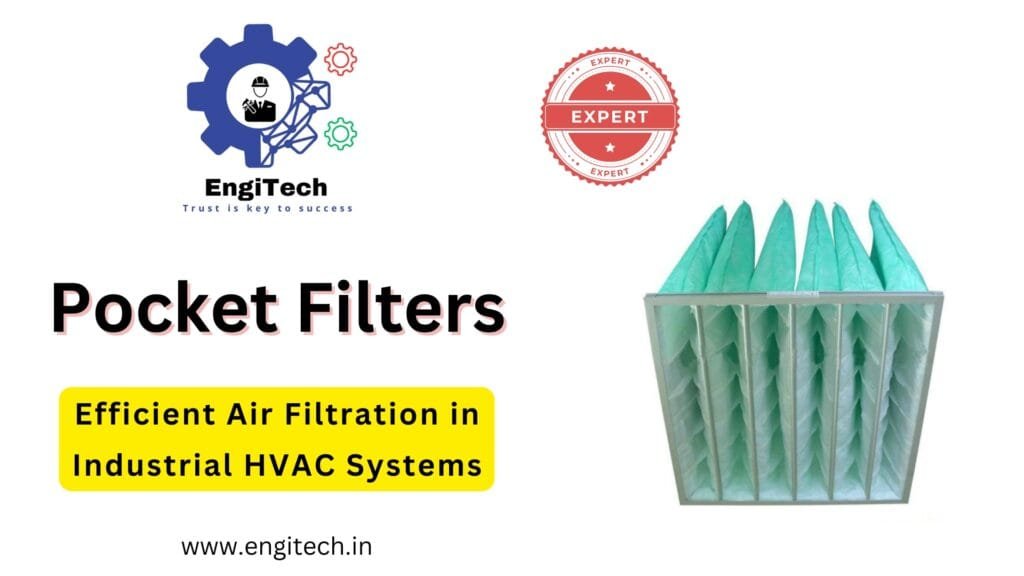
In today’s industrial landscape, maintaining air quality is a crucial factor for ensuring operational efficiency, regulatory compliance, and employee safety. One essential component of many HVAC systems is the pocket filter—a versatile and high-efficiency air filtration solution.
In this detailed guide, we’ll explore everything you need to know about pocket filters, from their working mechanism to practical applications, advantages, and maintenance tips. Our focus is on optimizing your understanding of pocket filters so that you can make informed decisions for your industrial needs.
Table of Contents
Introduction to Pocket Filters
Pocket filters, also known as bag filters, are a type of medium-to-high-efficiency air filtration system used in HVAC systems to remove dust, particulate matter, and pollutants from the air. Commonly used in commercial and industrial applications, pocket filters are essential for improving air quality and protecting downstream components like fans, coils, and sensitive machinery.
These filters consist of multiple layers of filter media arranged in “pockets” that effectively capture airborne particles. They are available in various filtration grades, offering customizable filtration solutions for different industrial environments.
How Pocket Filters Work
Pocket filters use a mechanical filtration process to trap airborne particles, ranging from large debris to smaller particulate matter. When air passes through the filter media, contaminants such as dust, pollen, and bacteria are captured and retained within the pockets.
The filtration process occurs in three key stages:
- Interception: Particles following the air stream get intercepted by the filter fibers.
- Impaction: Larger particles collide with the filter media and are trapped.
- Diffusion: Smaller particles move randomly and are captured by the filter fibers due to diffusion.
Each pocket in a filter functions like an individual trap, with the layered design enhancing the overall filtration efficiency. Pocket filters are often rated using MERV (Minimum Efficiency Reporting Value) or ISO standards, which determine the filter’s capacity to remove particles of varying sizes.
Types of Pocket Filters
Pocket filters come in several types based on their efficiency and application. Below are some of the most common types used in industrial and commercial settings:
- Low-Efficiency Pocket Filters (MERV 6-8): Designed for capturing larger particles, such as dust and lint, these filters are commonly used as pre-filters in HVAC systems.
- Medium-Efficiency Pocket Filters (MERV 9-12): Suitable for capturing smaller particles like mold spores and dust mite debris, these are ideal for general industrial use.
- High-Efficiency Pocket Filters (MERV 13-16): These filters trap finer particles, including bacteria and smoke, and are used in cleanrooms, hospitals, and environments that require high air purity.
- Synthetic Media Pocket Filters: Made from synthetic fibers, these filters are durable and resistant to moisture, making them perfect for environments with fluctuating humidity levels.
- Fiberglass Media Pocket Filters: Constructed from fiberglass, these filters offer excellent particle capture but are more susceptible to damage than synthetic alternatives.
Advantages of Pocket Filters in Industrial Settings
Pocket filters offer numerous advantages that make them an ideal choice for industrial environments. Below are the key benefits of using pocket filters:
- High Dust-Holding Capacity: Pocket filters are designed to hold a large amount of dust before requiring replacement, which makes them highly cost-effective.
- Long Service Life: The design and material of pocket filters ensure a longer service life, reducing the frequency of filter replacements.
- Energy Efficiency: With lower pressure drops compared to other filter types, pocket filters help maintain efficient airflow, reducing energy consumption.
- Versatility: Pocket filters are available in different filtration grades, allowing for use across a wide range of applications—from general air conditioning to specialized industrial processes.
- Improved Air Quality: These filters provide effective filtration of airborne contaminants, significantly improving indoor air quality and ensuring a healthier environment for workers.
Key Factors to Consider When Choosing Pocket Filters
When selecting a pocket filter for your industrial application, consider the following factors to ensure optimal performance:
- Filtration Efficiency: Determine the required MERV or ISO rating based on the level of air purity needed.
- Filter Media Material: Choose between synthetic or fiberglass media, depending on the environmental conditions and specific filtration requirements.
- Airflow Resistance: Ensure that the filter offers a low pressure drop to maintain energy efficiency in your HVAC system.
- Dust-Holding Capacity: A filter with a high dust-holding capacity will last longer and require fewer replacements.
- Operating Conditions: Consider temperature, humidity, and airflow rate to ensure the chosen filter is suited to your industrial environment.
Pocket Filter Installation and Maintenance
Proper installation and maintenance are crucial for maximizing the performance of pocket filters. Here are some tips to ensure optimal operation:
- Installation Tips:
- Ensure the filter is installed in the correct orientation, with the airflow arrow pointing in the right direction.
- Make sure the filter fits snugly in the filter frame to prevent bypass air.
- Verify that there are no leaks around the filter housing.
- Maintenance Tips:
- Regularly inspect filters for signs of clogging or damage.
- Replace filters at recommended intervals based on manufacturer guidelines or sooner if there’s a noticeable reduction in airflow.
- Keep records of filter replacement dates to maintain consistent performance.
Applications of Pocket Filters
Pocket filters are commonly used in various industrial and commercial applications due to their versatility and high efficiency. Some of the main applications include:
- Commercial Buildings: Office spaces, shopping malls, and hotels use pocket filters in HVAC systems to ensure clean air for occupants.
- Industrial Facilities: Manufacturing plants and factories utilize pocket filters to protect machinery and ensure compliance with environmental regulations.
- Healthcare Facilities: Hospitals and laboratories use high-efficiency pocket filters to maintain sterile air conditions.
- Pharmaceutical and Food Processing: These industries rely on pocket filters to prevent contamination and ensure product safety.
- Cleanrooms: Critical environments like cleanrooms use high MERV-rated pocket filters to capture microscopic particles and maintain controlled conditions.
Best Practices for Maximizing Pocket Filter Efficiency
To get the most out of your pocket filters, follow these best practices:
- Conduct Regular Air Quality Audits: Periodically check the air quality in your facility to assess filter performance and determine if upgrades are needed.
- Monitor Pressure Drop: Use gauges to track the pressure drop across the filter. A significant increase in pressure drop may indicate the need for filter replacement.
- Upgrade Filters Based on Environmental Changes: If your facility experiences an increase in dust or airborne contaminants, consider upgrading to a higher-efficiency filter.
- Maintain HVAC System Efficiency: Regular maintenance of your HVAC system, including cleaning ductwork and coils, will help optimize the performance of pocket filters.
Why Pocket Filters Are Ideal for HVAC Systems
Pocket filters offer a balance between cost-effectiveness, efficiency, and long service life, making them an ideal choice for HVAC systems in both commercial and industrial applications. Their high dust-holding capacity and ability to maintain low pressure drop help to improve overall system performance while reducing energy costs.
Additionally, pocket filters contribute to cleaner air, which in turn improves the health and productivity of building occupants. Their customizable filtration levels make them versatile for a variety of industries, including those with stringent air quality standards.
FAQs related to pocket filters:
1. What is a pocket filter?
A pocket filter (or bag filter) is a type of high-efficiency air filter used in HVAC systems to remove airborne particles such as dust, pollen, and contaminants from the air. It consists of multiple pockets of filter media that trap and hold particulate matter.
2. How does a pocket filter work?
Pocket filters work by mechanically filtering air through multiple layers of filter media. When air passes through the filter, particles are intercepted, impacted, and diffused into the fibers of the pockets, capturing both large and small contaminants.
3. Where are pocket filters used?
Pocket filters are commonly used in industrial and commercial settings such as manufacturing plants, hospitals, laboratories, cleanrooms, shopping malls, and office buildings. They are an essential component of HVAC systems where efficient air filtration is required.
4. What are the benefits of using pocket filters?
Key benefits include:
- High dust-holding capacity
- Long service life
- Energy efficiency with low pressure drops
- Versatility for different filtration levels
- Improved indoor air quality
5. What are the different types of pocket filters?
Pocket filters are classified based on their efficiency and media material:
- Low-efficiency filters (MERV 6-8)
- Medium-efficiency filters (MERV 9-12)
- High-efficiency filters (MERV 13-16)
- Synthetic media pocket filters
- Fiberglass media pocket filters
6. How do I choose the right pocket filter for my application?
When choosing a pocket filter, consider factors like:
- Required filtration efficiency (MERV or ISO rating)
- Filter media type (synthetic or fiberglass)
- Dust-holding capacity
- Airflow resistance (pressure drop)
- Environmental conditions (temperature, humidity, airflow rate)
7. How often should pocket filters be replaced?
The replacement frequency depends on the filter’s dust-holding capacity and the environment’s air quality. On average, pocket filters should be inspected regularly and replaced every 3 to 6 months or when there is a significant drop in airflow.
8. Are pocket filters energy-efficient?
Yes, pocket filters are designed to provide high filtration efficiency while maintaining low pressure drops, which helps in optimizing energy use in HVAC systems. This makes them a cost-effective solution for many industrial applications.
9. Can pocket filters be used in high-humidity environments?
Yes, synthetic pocket filters are suitable for high-humidity environments, as they are resistant to moisture and maintain their efficiency even in variable conditions. Fiberglass pocket filters are less resistant to moisture and may not be ideal for humid conditions.
10. What is the difference between pocket filters and pleated filters?
While both are used in HVAC systems, pocket filters typically have a higher dust-holding capacity and are more suitable for industrial applications. Pleated filters, on the other hand, are commonly used in residential or small-scale commercial systems.
11. What is MERV, and why is it important for pocket filters?
MERV (Minimum Efficiency Reporting Value) is a rating that indicates the filtration efficiency of air filters. Higher MERV ratings mean the filter can trap smaller particles. Pocket filters with MERV ratings of 9-16 are commonly used in industrial applications where higher air quality is required.
12. How do I maintain pocket filters?
To maintain pocket filters:
- Inspect them regularly for damage or clogging.
- Replace them at scheduled intervals, depending on usage and environmental conditions.
- Ensure proper installation to avoid leaks and airflow inefficiency.
13. Can pocket filters be recycled or reused?
Most pocket filters are designed for single-use and should be replaced once they become clogged. However, some materials, particularly synthetic media, can be recycled. Always consult with the manufacturer for proper disposal or recycling guidelines.
14. What industries benefit the most from using pocket filters?
Industries such as pharmaceuticals, healthcare, electronics manufacturing, food processing, and commercial HVAC systems benefit the most from using pocket filters due to their ability to maintain high air quality and protect sensitive equipment from contamination.
15. What is the typical lifespan of a pocket filter?
The lifespan of a pocket filter depends on factors like the environment, filter type, and usage. Generally, pocket filters last between 3 to 6 months, but some high-capacity filters may last up to a year in less polluted environments.
Conclusion: Choosing the Right Pocket Filter for Your Industry
Choosing the right pocket filter for your HVAC system is crucial for optimizing air quality and ensuring the longevity of your equipment. By understanding the different types of pocket filters, their working mechanism, and the factors influencing their efficiency, you can make an informed decision that meets your specific industrial needs.
When selecting a pocket filter, always consider factors such as filtration efficiency, dust-holding capacity, and operating conditions. Regular maintenance and best practices will further enhance the performance and longevity of your filters, ensuring clean air and a safe working environment.
For more expert insights and practical tips on industrial air filtration solutions, explore EngiTech. Stay updated with the latest innovations and best practices to ensure your facility operates at peak efficiency.